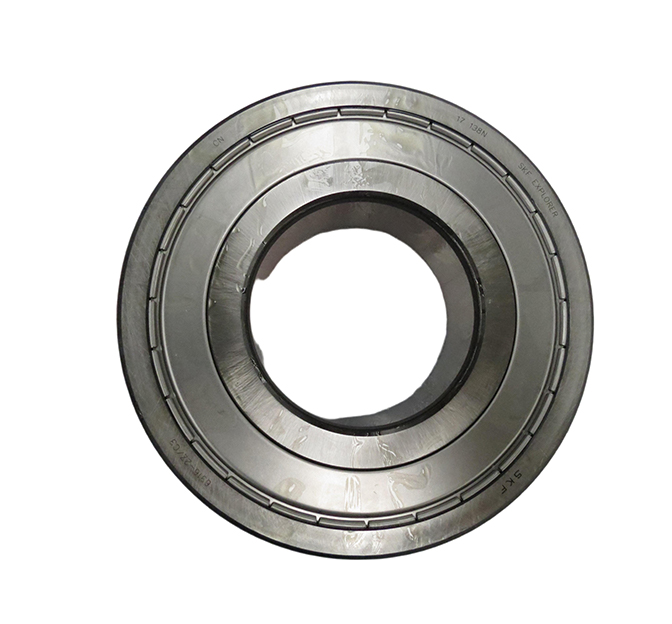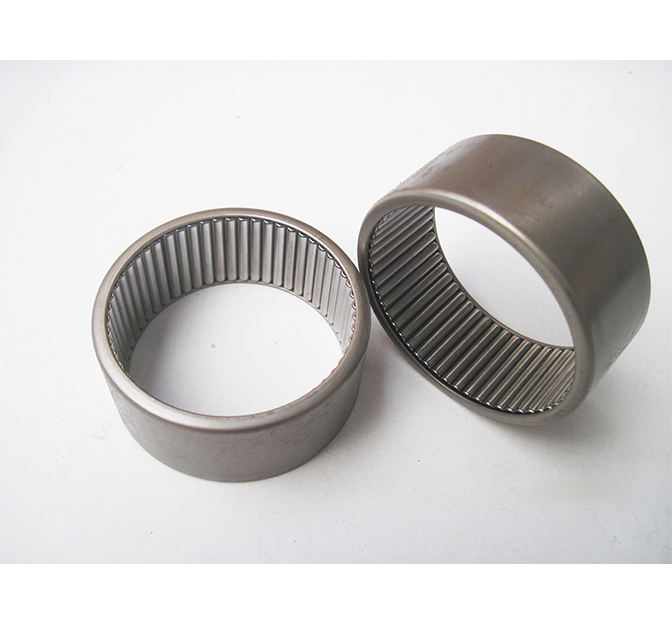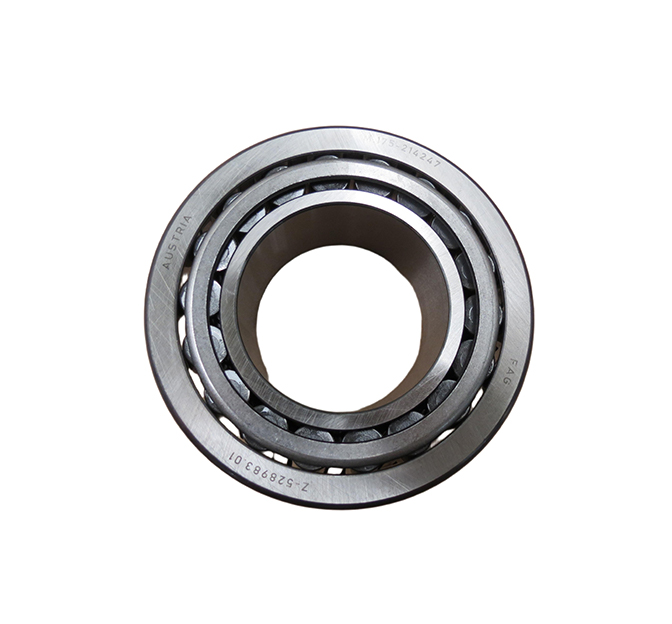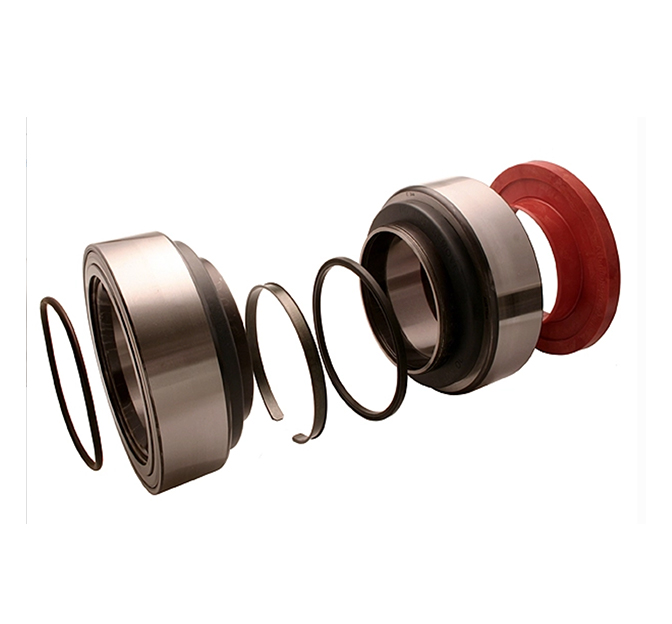
























We all know that for a car to be able to run, it must first be inseparable from the engine, and another very important thing is the wheels. A very important component of a wheel’s ability to rotate is the bearing. The quality of the bearings directly affects the operation of the tires, so inspection of all bearings is particularly important.
The following items should be noted during the visual inspection:
(1) Various cracks, such as raw material cracks, forging cracks, heat treatment cracks and grinding cracks, etc., these cracks will become a stress concentration source and rapidly expand during the future operation of the bearing, causing the bearing to rupture, which will have a great impact on the bearing life and work safety.
(2) Various mechanical scars, such as abrasions, scratches, crushes, bumps, etc., will cause poor bearing installation, cause eccentric load and stress concentration, and cause a decrease in rotation accuracy and service life.
(3) Rust, black skin and pitting. The latter two are defects that easily store moisture and dirt, and can easily develop into rust. Rust is a source of pollution that leads to poor installation, early wear and fatigue. Severe corrosion will cause the bearing to be scrapped.
(4) Peeling and folding. The local parts of these two defects are not firmly bonded to the base metal, and there are often decarburization or carbon depletion phenomena around them to varying degrees. The material is easy to collapse, dent or wear, which is very detrimental to the bearing life and accuracy.
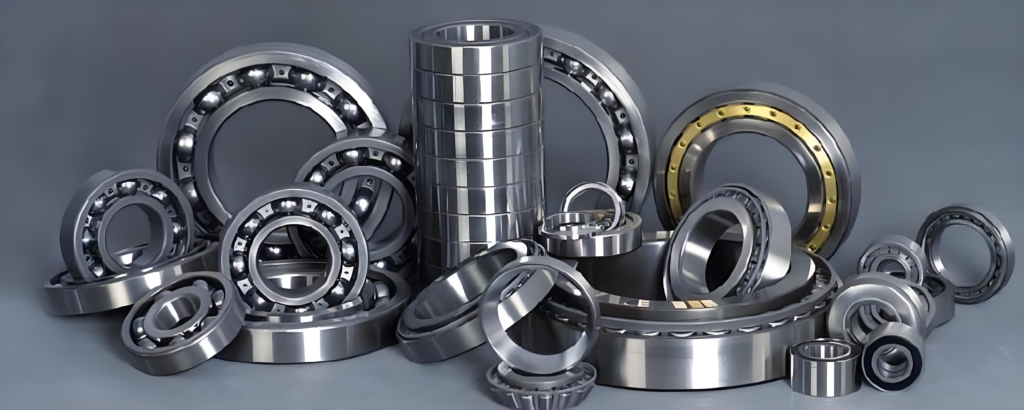
(5) For the riveting or welding quality of the cage, mainly observe whether the rivet head is offset, skewed, loose, missing or “double eyelids”, whether the welding position is correct, whether the welding point is too large or too small, and whether the rolling element is stuck due to weak welding or excessive welding.
Whether the quality of the slope pressing, edge closing, caulking and notching of certain cages is guaranteed, and whether the rolling elements can rotate freely without falling out of the cage. If these points are not in compliance with the requirements, it may cause bearing noise and reduced rotation accuracy, or the cage may fall apart, causing mechanical failur or accidents.