























Description
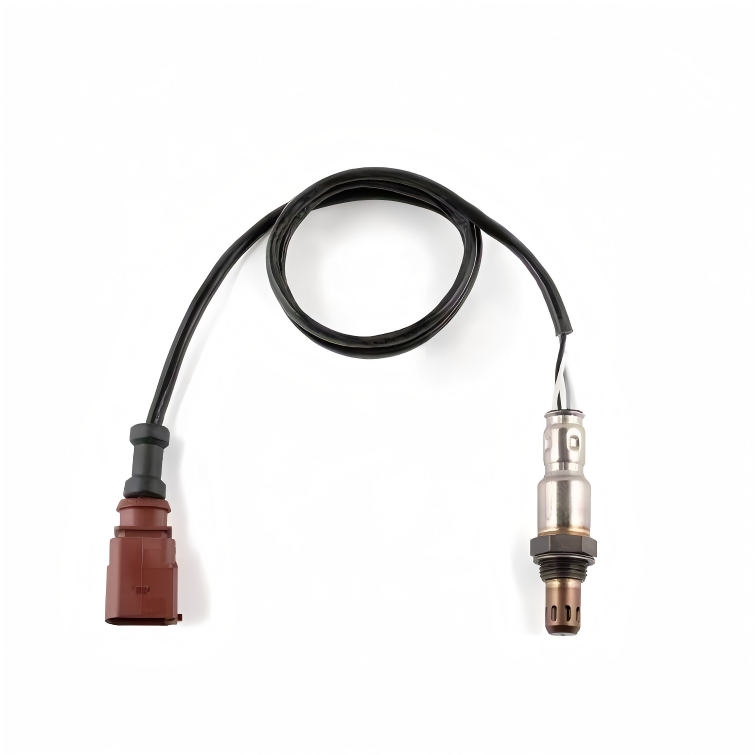
Maintain precise air-fuel ratio control, optimize fuel economy, and lower exhaust emissions across your commercial fleet with the genuine NGK NTK 4-Wire Oxygen Sensor Lambda Probe. Engineered specifically for heavy-duty commercial truck engines, passenger transit buses, and stationary power units, this OE-grade zirconium dioxide (ZrO2) sensor measures real-time oxygen levels within high-temperature exhaust streams. Carbon fouling, silicon poisoning, internal heater element burnout, or wiring harness degradation cause ECU check engine lights, excessive fuel consumption, severe loss of engine torque, and failed regional emissions tests. This original NGK NTK 4-wire oxygen sensor solves those engine management and emission failure points directly. It features a fast-acting ceramic heating element, laser-welded stainless steel protective housing, porous platinum-coated electrodes, and heat-resistant silicone wire insulation to deliver rapid operational light-off, accurate voltage signaling, and uncompromised fleet availability.
Technical Parameters
| Category | Specifications & Technical Details |
| ZrO2 Micro-Ceramic Element & Rapid Signal Response | We combine a high-purity zirconia ceramic sensing element with a platinum electrode layer. In hot exhaust gas, it quickly builds a precise voltage signal (0.1V–0.9V), giving the engine ECU microsecond-level closed-loop air-fuel ratio control. |
| 4-Wire Circuit Topology with Integrated Heater | The sensor uses two PTC ceramic heater wires plus two independent signal and ground wires. During cold start, it reaches operating temperature above 300°C within seconds, which cuts harmful emissions in the cold phase. |
| Laser-Welded Double-Layer Stainless Steel Shield | We precision laser-weld the outer protective sleeve. The inner layer has a dedicated anti-fouling, anti-soot vent layout that shields the ceramic element from condensation and exhaust particles while still letting exhaust gas flow through and make contact. |
| Anti-Poisoning Porous Platinum Coating | A specialty ceramic microporous protective layer covers the sensing element surface. It blocks sulfides, lead, and residual lubricant additive particles in the exhaust, preventing sensor poisoning failure and signal drift. |
| High-Temp Fluororubber Seal & Vibration-Resistant Harness | The harness outlet carries a 250°C high-temperature fluororubber sealing sleeve and a locking OEM connector. It stands up to severe chassis vibration, road water splash, and engine bay heat baking. |
Applicable Car Brands & Models
Common warning symptoms include:
Check Engine Light (MIL) Illuminated: Diagnostic tools read oxygen sensor heater circuit fault codes or signal out-of-range errors.
Increased Fuel Consumption: The engine ECU runs in open-loop mode, injecting excessive fuel and reducing MPG.
Rough Engine Idling and Power Hesitation: The vehicle stutters under acceleration due to incorrect air-fuel mixture calculation.
Black Exhaust Smoke & Failed Emission Tests: Unburnt fuel exits through the exhaust, leading to elevated CO and HC emission levels.
The 4-wire design contains two dedicated wires to power an internal PTC ceramic heater. This heater brings the sensor element to its optimal operating temperature (above 300°C) within seconds after a cold start, ensuring immediate closed-loop air-fuel mixture control and lower cold-start emissions.
Premature failure is typically caused by silicon contamination (from unapproved engine sealants), oil ash deposits from burning motor oil, continuous soot buildup from unmaintained DPF/EGR systems, or physical thermal shock when cold water splashes onto a red-hot sensor housing.
Our 1-year warranty covers internal heater element open-circuit failures, voltage output signal lag/drift, wire harness connector separation, and manufacturing defects under normal fleet operating conditions. If a sensor fails within 12 months, we provide prompt replacement or warranty processing upon inspection.