























A wheel hub seal is one of the cheapest parts in a heavy-duty wheel-end assembly, yet a single failure can sideline a truck for days. When a seal gives out, you aren’t just replacing a ring of rubber and steel—you’re often dealing with a starved, overheated FAG or INA tapered roller bearing, or gear oil soaking into Knorr-Bremse or WABCO air disc brake pads and triggering ABS warning lights.
In our experience supplying European truck components to workshops and fleets, most premature leaks aren’t caused by defective parts. Even top-tier seals from Corteco, SKF, or OEM-matched FAG bearing kits will fail within the first few thousand miles if something goes wrong during installation or if a neighboring component is overlooked.
If your workshop keeps seeing repeat leaks on the same axle positions, check these six common culprits first.
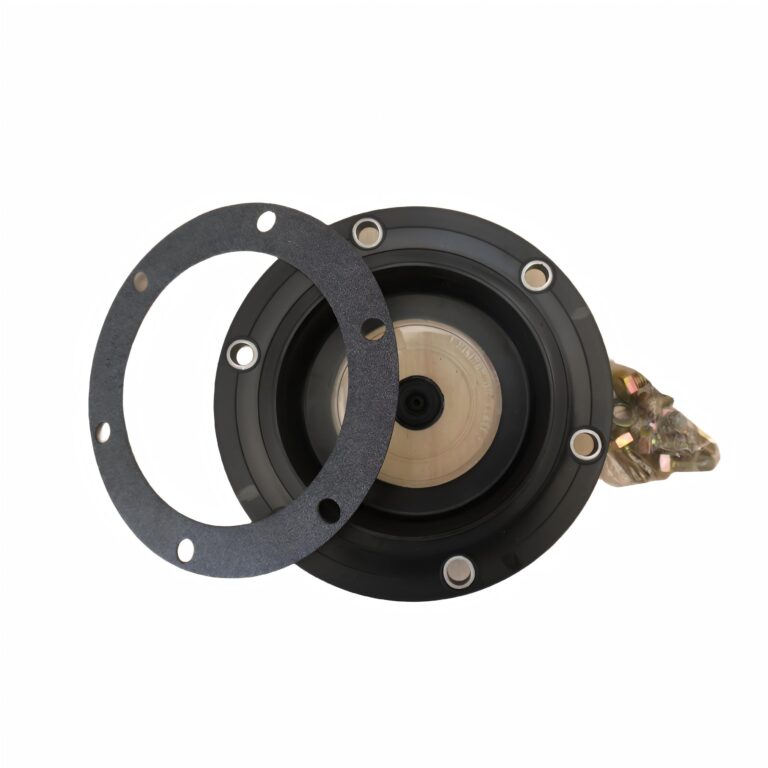
1. Installation Alignment and Impact Damage
A large percentage of seal failures happen before the truck even leaves the yard.
- Cocked Seals: If a seal goes into the hub bore even slightly crooked, the lip won’t maintain uniform contact with the spindle as it spins, creating an immediate path for oil to weep out.
- Hammer Damage: Driving a seal in directly with a hammer or drift punch easily distorts the metal outer case or nicks the rubber lip. Always use a properly sized seal driver plate that contacts only the outer steel flange.
2. Worn Spindle Journals or Pitted Hub Bores
A brand-new seal cannot fix a damaged mating surface.
- Spindle Grooving: Over hundreds of thousands of miles, standard seal lips wear a groove into the axle spindle. Putting a new seal in the exact same track almost guarantees another leak. If the groove catches a fingernail, install a wear sleeve (such as a Speedi-Sleeve) or address the spindle before reassembly.
- Rust and Pitting: Corrosion inside the hub bore prevents the seal’s outer diameter (OD) from forming a tight static seal, allowing oil to seep around the outside of the casing.
3.Contaminated Lubricant and Failed Hub Caps
Dirty oil acts like liquid sandpaper against a spinning rubber lip.
- Leftover Debris: Skipping a thorough flush of the hub cavity and axle housing during a bearing change leaves fine metal shavings and oxidized grease behind, which rapidly chew up the new lip.
- Cracked Hub Cap Windows: A brittle, cracked, or loose hub cap lets road spray and winter salt straight into the oil bath, degrading the seal elastomer from the inside out.
4. Excessive Wheel-End Heat
Air disc brakes generate tremendous thermal loads, especially on heavy-haul or mountainous routes.
- Dragging Brakes: A sticking Knorr-Bremse or WABCO caliper or an improperly adjusted slack adjuster will superheat the hub. Standard nitrile (NBR) seals harden and crack under sustained high temperatures—for severe-duty disc brake axles, upgrading to fluoroelastomer (FKM) seals is essential.
- Over-Tightened Bearings: Setting bearing preload too tight creates runaway frictional heat that quickly bakes the seal lip.
5. Blocked Axle Breathers
As an axle warms up on the highway, the air inside expands and needs somewhere to go.
- Internal Pressure Build-Up: When mud, road grime, or ice plugs the axle vent tube, expanding air pressurizes the housing and pushes past the weakest point—forcing the wheel seal lip outward and pushing oil into the brake area.
6. Improper Sealants and Reused Seals
- Wrong RTV Silicone: Applying aggressive RTV sealants to the seal OD can chemically attack the rubber compound or act as a lubricant, causing the seal to spin or walk out of the bore. Many modern metal-cased seals already come with a pre-applied bore coating (such as Loctite Dri-Seal) and need nothing extra.
- Never Reuse a Seal: Once a seal is pulled from a hub, its garter spring tension and elastomeric memory are compromised. Always install a fresh unit.
Shop-Floor Best Practices for Longer Seal Life
To get full service life out of European wheel-end parts like FAG/INA bearings and Corteco seals, stick to a disciplined bench routine:
- Clean Before Disassembly: Knock mud and road grit off the hub cap and spindle nut area before opening anything up so debris doesn’t fall into the hub.
- Prep the Mating Surfaces: Clean the hub bore and spindle thoroughly, using fine emery cloth to smooth out minor burrs or surface rust.
- Match the Material to the Axle: Double-check whether the wheel end runs oil or semi-fluid grease, and confirm NBR vs. FKM material specs for high-heat disc brake applications.
- Pre-Lube the Lips: Wipe a thin film of clean gear oil or bearing grease onto the primary and secondary sealing lips so they don’t run dry during initial wheel rotation.
- Seat Squarely and Set End-Play by the Book: Drive the seal straight down until you hear and feel it bottom out firmly against the bore shoulder. Once the hub is mounted, use a torque wrench and dial indicator to set bearing end-play or preload strictly to the axle manufacturer’s spec.
- Verify Venting and Fill Level: Top up with clean lubricant to the proper line and confirm the axle breather flows freely before releasing the truck.
Sourcing Reliable European Wheel-End Components
Cutting downtime comes down to pairing disciplined shop practices with consistent, traceable parts. At www.smart-vehicle.cn, we supply wholesale wheel-end and braking components—including FAG, INA, Corteco, SKF, Knorr-Bremse, and WABCO—for fleets and parts distributors worldwide.
If you’re troubleshooting recurring leaks on specific European truck axles or need help cross-referencing part numbers from our inventory, reach out to our team:
- WhatsApp: +8618003718313
- Email: [email protected]
- Explore Wheel-End Parts: https://www.smart-vehicle.cn/?post_type=product&s=hub+seal