
























Description
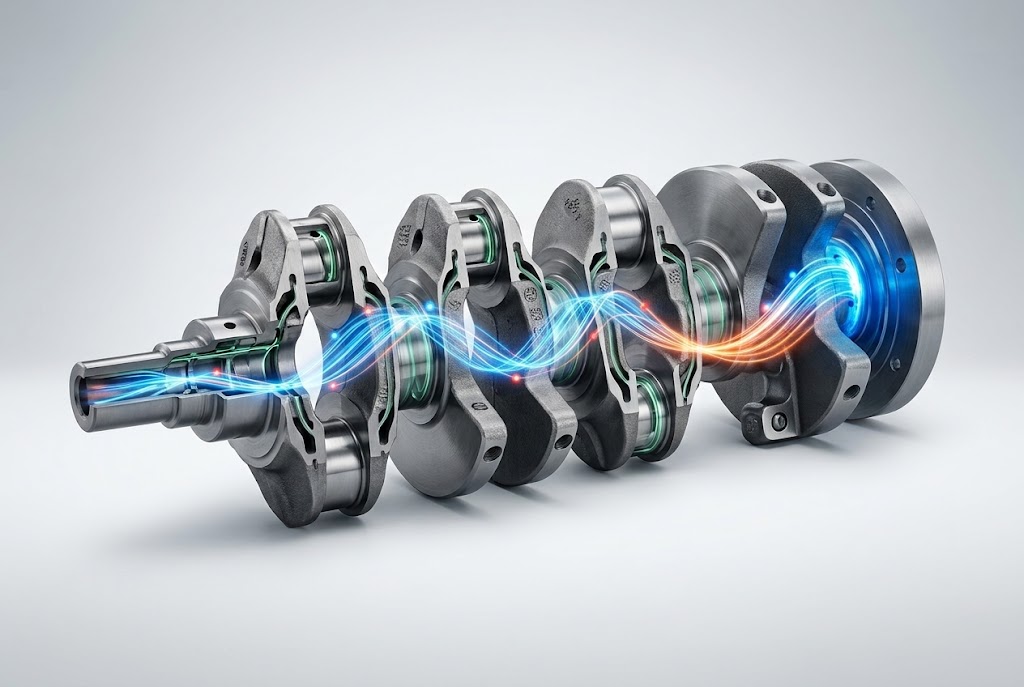
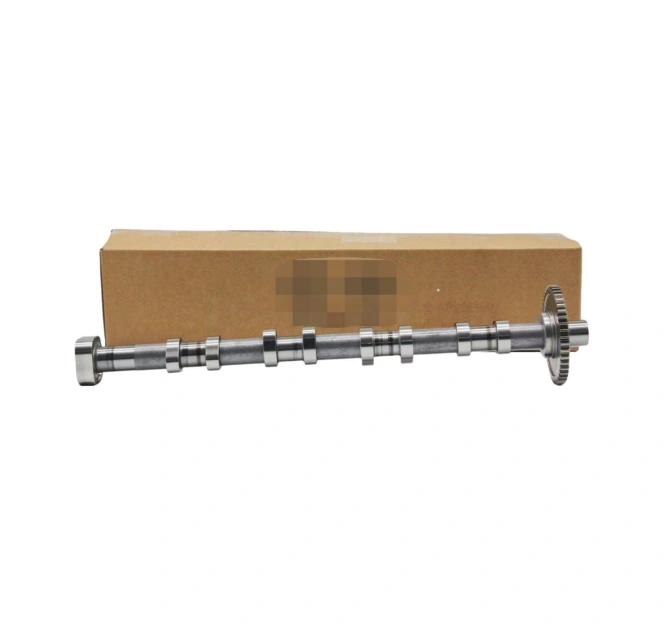
Manufactured by INA (a core flagship brand of the Schaeffler Group and a global original equipment leader in engine valve train components), the INA Auto Engine Camshaft Shaft Assembly delivers exceptional timing precision, reduced friction, and long-term durability for modern automotive powertrains. As the central controlling element of the valve train, the camshaft dictates the precise opening and closing intervals of intake and exhaust valves. Modern high-efficiency engines place immense dynamic stress, frictional wear, and bending moments on camshaft lobes. INA utilizes state-of-the-art built-up/assembled (assembled camshaft) technology or forged micro-alloy steel construction with computer-optimized lobe profiles to ensure ideal volumetric efficiency, smooth engine torque delivery, and lower carbon emissions. Engineered as a direct OE-matching replacement assembly, this component solves common performance issues such as low compression, engine misfires, and valvetrain noise caused by worn or scuffed camshaft lobes. It is an indispensable, high-reliability rebuild part for automotive machine shops, professional powertrain rebuilding centers, and international auto parts distributors.
Technical Parameters
| Category | Specifications & Technical Details |
| Built-Up / Assembled Camshaft Technology & Lightweight Hollow Tube Construction | Compared to traditional one-piece cast iron or forged camshafts, INA utilizes advanced assembled camshaft technology, shrink-fitting precision-ground high-hardness cam lobes and gears onto a precision cold-drawn seamless steel tube. The hollow tube shaft design reduces rotational inertia and component weight by 30%–45%, significantly reducing valvetrain response delay and energy consumption at high engine RPM. |
| Micron-Level Lobe Profile Tolerance & Induction Hardening / Chill-Casting | Cam lobe surfaces undergo high-frequency induction hardening or carburizing treatment, achieving surface hardness up to 58–62 HRC. Lobe geometric lift curve tolerances are controlled at micron level, ensuring highly precise valve lift and valve overlap. Effectively resists pitting and spalling caused by sliding friction with hydraulic lifters / rocker arms. |
| Micron-Level Journal Cylindricity & Low-Friction Surface Finish (Ra ≤ 0.1 μm) | Camshaft support journals undergo super-finishing, achieving surface roughness of Ra ≤ 0.1 μm, with journal runout and cylindricity controlled within extremely tight tolerances. This ensures a stable hydrodynamic lubricating oil film is established under engine oil pressure, minimizing friction resistance and bearing shell scoring risk. |
| Integrated VVT Target Wheel & High-Precision Drive Interface | The camshaft end is precision-fitted with a camshaft position sensor target wheel (phase target wheel) and VVT variable valve timing phaser interface (keyway or pin hole). The target wheel position angle tolerance is extremely strictly controlled, providing precise phase feedback signals to the ECU, ensuring seamless coordination of variable valve timing systems (e.g., VVT-i, VANOS, VVT). |
| High Dynamic Torsional Rigidity & Bending Fatigue Resistance | Manufactured from high-purity micro-alloy steel, with strict heat treatment to eliminate internal residual stresses. The camshaft features extremely high torsional rigidity and fatigue limit. Under thousands of RPM of continuous alternating stress and valve spring reaction forces, it never undergoes bending deformation or fracture. |
Applicable Car Brands & Models
Common indicators of a damaged or worn camshaft include:
Valvetrain Ticking or Tapping Noise: Continuous metallic ticking or clicking noise from the upper engine valve cover, caused by excessive clearance between worn lobes and lifters/rocker arms.
Engine Misfires & Power Loss: Misfire codes (e.g., P0300-P0304) and sluggish acceleration due to reduced valve lift and incomplete cylinder filling.
Check Engine Light for Camshaft Position: Error codes related to camshaft position correlation (e.g., P0011, P0014, P0340) triggered by abnormal sensor reader signal profiles or binding.
Metal Shavings in Engine Oil: Metallic debris found in the oil filter or pan resulting from scuffed or flaking camshaft lobes (cam lobe wiping).
Yes, absolutely. It is a critical best practice in engine rebuilding to replace all hydraulic tappets, roller rocker arms, or bucket lifters whenever a new camshaft assembly is installed. Worn or grooved lifters/rocker arms will quickly damage the newly polished friction surfaces of a new camshaft, leading to rapid wear and premature failure.
Yes. During installation, a high-zinc/moly engine assembly lube must be generously applied to all camshaft lobes and bearing journals. Additionally, before firing up the engine for the first time, the lubrication system should be primed to ensure immediate oil pressure reaches the camshaft journals, preventing dry-friction scoring during initial start-up.
Each INA Auto Engine Camshaft Shaft Assembly is coated with anti-rust VCI oil, vacuum-wrapped in protective plastic bags, and housed inside an extra-thick, impact-resistant Schaeffler INA branded carton with custom foam supports. For international trade buyers, minimum order quantities generally start at 5 to 10 units per part number, with flexible consolidated container shipping available for bulk distributor orders.