
























Description
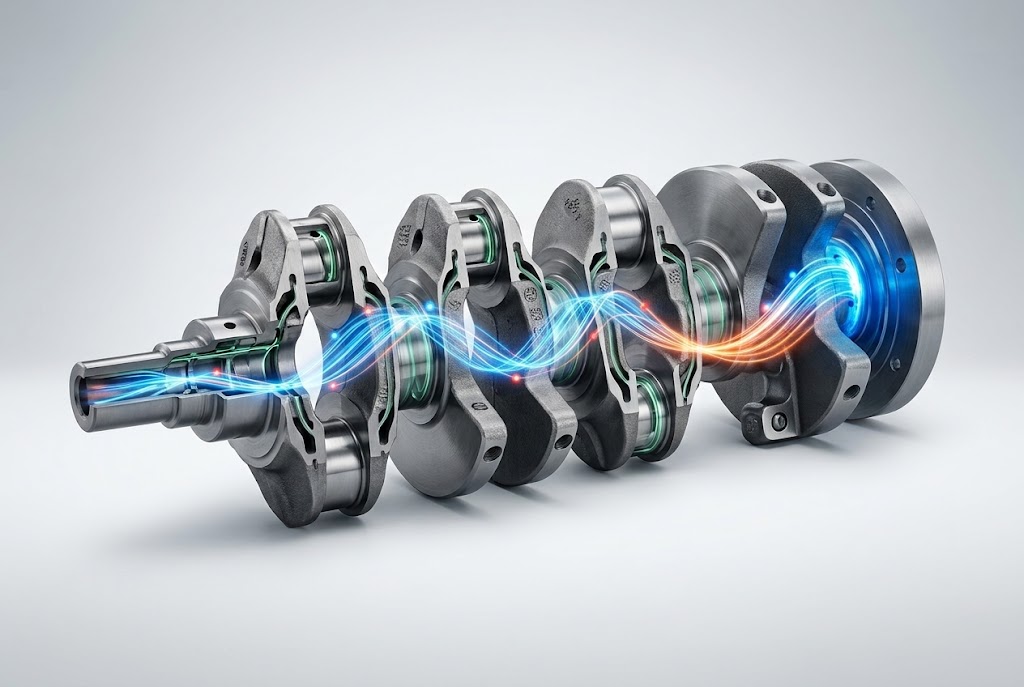
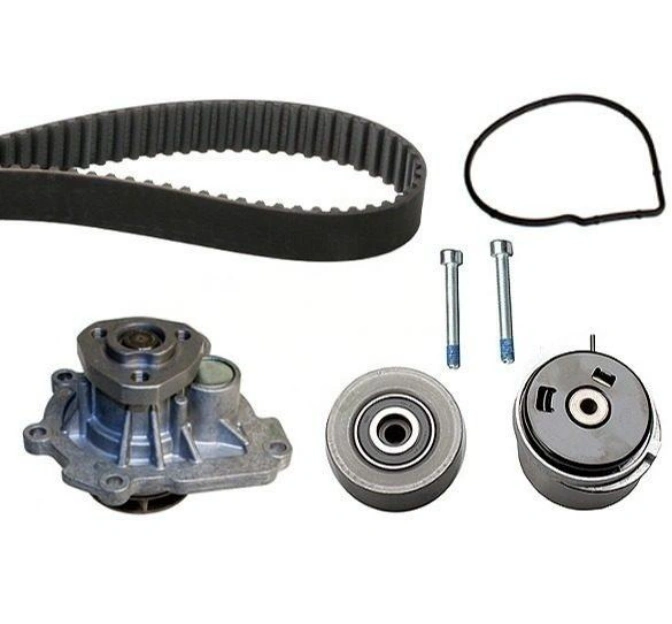
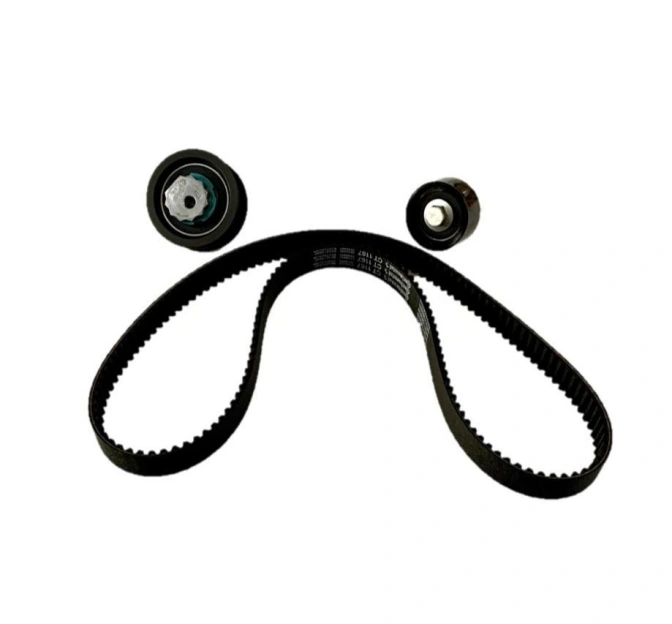
Engineered by INA (a leading original equipment brand of the Schaeffler Group), the INA Timing Belt Kit with Tensioner delivers a complete, precision-matched replacement system for maintaining exact synchronization between the engine crankshaft and camshaft. Internal combustion engines rely on precise valve timing to prevent destructive piston-to-valve contact in interference engine designs. The INA kit includes a high-tensile HNBR timing belt, an automatic tensioner assembly (mechanical or hydraulic), precision-ground idler pulleys, and OEM-grade mounting hardware. Designed to withstand severe dynamic load changes, rapid thermal cycles, and high operating speeds, this kit eliminates belt slack, maintains steady tooth pitch alignment, and minimizes operational noise. It serves as an essential, high-reliability overhaul module for engine rebuilders, automotive service centers, and global spare parts importers.
Technical Parameters
| Category | Specifications & Technical Details |
| Automatic Tensioner Force & Dynamic Damping | The timing belt tensioner in the kit incorporates a high-precision pre-loaded torsion spring or hydraulic damping mechanism, automatically adjusting tension in real time according to engine bay temperature changes and slight belt elongation. It keeps the timing belt within the OEM-specified static and dynamic tension range (preventing bearing wear noise from over-tightening, or tooth skipping and timing jump from under-tightening), ensuring precise valve phasing across the entire engine RPM range. |
| High-Grade HNBR & Glass Fiber Cord Belt Construction | The timing belt utilizes an HNBR (hydrogenated nitrile butadiene rubber) compound, with high-tensile inorganic glass fiber cord embedded internally. This structure gives the belt extremely high tensile modulus and shear strength. Under high temperatures from -40°C to +140°C and diesel / gasoline oil mist environments, it never undergoes thermoplastic elongation or cracking, effectively preventing catastrophic engine valve damage caused by belt breakage. |
| Precision Formed Tooth Profile & Wear-Resistant Fabric Coating | The belt tooth surface is covered with a wear-resistant polyamide (Nylon) fabric layer, perfectly meshing with the crankshaft and camshaft timing gear tooth grooves. Precision tolerance control reduces meshing impact and friction resistance between the belt and gears during high-speed operation, significantly reducing operating noise and preventing belt tooth root tearing. |
| High-Purity Bearing Steel & Double-Lip Dust Seals | Both the idler pulley and tensioner in the kit incorporate high-precision double-row ball bearings, manufactured from high-purity GCr15 bearing steel. Both sides of the bearing are equipped with high-elasticity double-lip FKM seals, completely blocking dust, rubber debris, and trace oil seepage inside the timing cover, ensuring internal synthetic grease provides efficient lubrication throughout the entire replacement cycle. |
| System-Matched Components & Grade 10.9/12.9 Hardware | All components in the kit (belt, tensioner, idler pulleys, and sleeve bolts) undergo synchronous matching testing in Schaeffler laboratories, with extremely high tolerance consistency. The kit includes high-strength grade (e.g., 10.9 or 12.9) bolts and lock washers, ensuring technicians can achieve OEM torque-plus-angle tightening requirements in a single installation, eliminating detachment caused by fatigue fracture of old bolts. |
Applicable Car Brands & Models
Common symptoms of a worn or failing timing belt kit include:
Squeaking or Ticking Noise: A high-pitched squeak or rhythmic ticking sound coming from the timing belt cover, indicating tensioner bearing wear or improper belt tension.
Engine Misfires or Rough Idle: Slippage or skipped teeth on the timing belt causes incorrect valve timing, leading to engine misfires, poor acceleration, or loss of power.
Visual Belt Damage: Cracks, fraying edges, missing teeth, or oil contamination visible on the belt during inspection.
Engine Fails to Start: If the timing belt snaps completely, the starter motor will crank rapidly without building compression, and interference engines will suffer severe valve-to-piston impact.
The tensioner pulley and idlers operate under the exact same mechanical stress, revolutions, and temperature cycles as the timing belt. A worn tensioner bearing can seize or lose spring tension, which will destroy a brand-new timing belt within a few thousand miles. Replacing the entire INA kit guarantees synchronized component lifespan and avoids costly duplicate labor expenses.
Replacement intervals depend on the vehicle manufacturer’s specifications, typically ranging between 60,000 to 100,000 miles (approx. 90,000 to 160,000 km) or every 5 to 7 years, whichever comes first. Vehicles operated in extreme temperatures or heavy stop-and-go traffic should be inspected more frequently.
INA Timing Belt Kits are packed in authentic Schaeffler INA branded protective cartons, with the belt sealed in protective plastic and all hardware safely compartmentalized. Minimum Order Quantities (MOQ) for international trade buyers start at 5 to 10 kits per part number, with flexible shipping arrangements for consolidated distributor shipments.