























Description
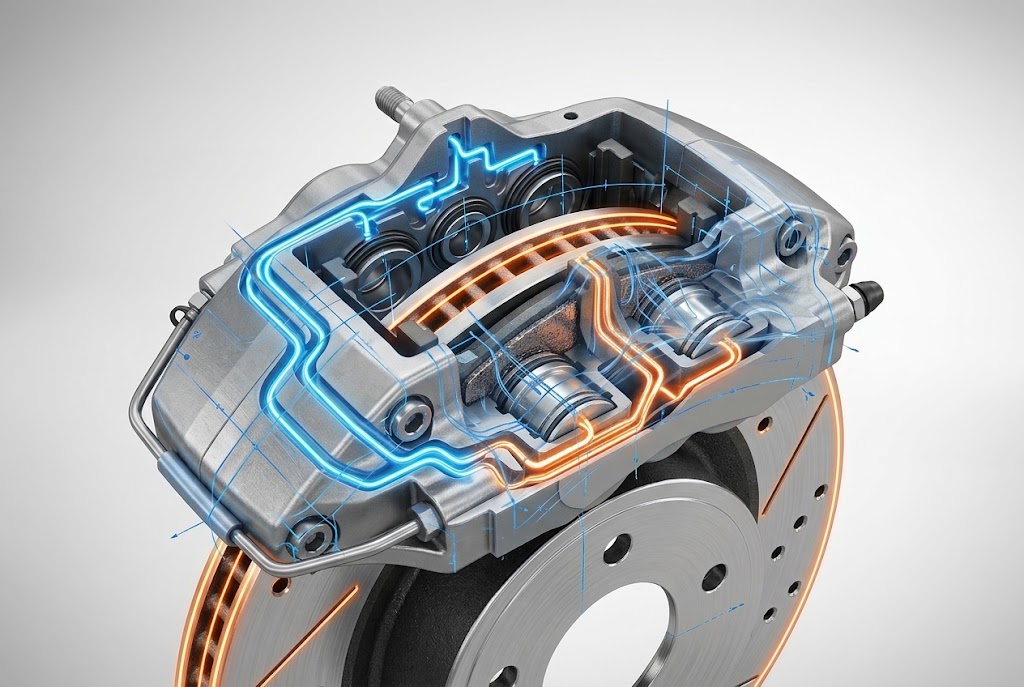
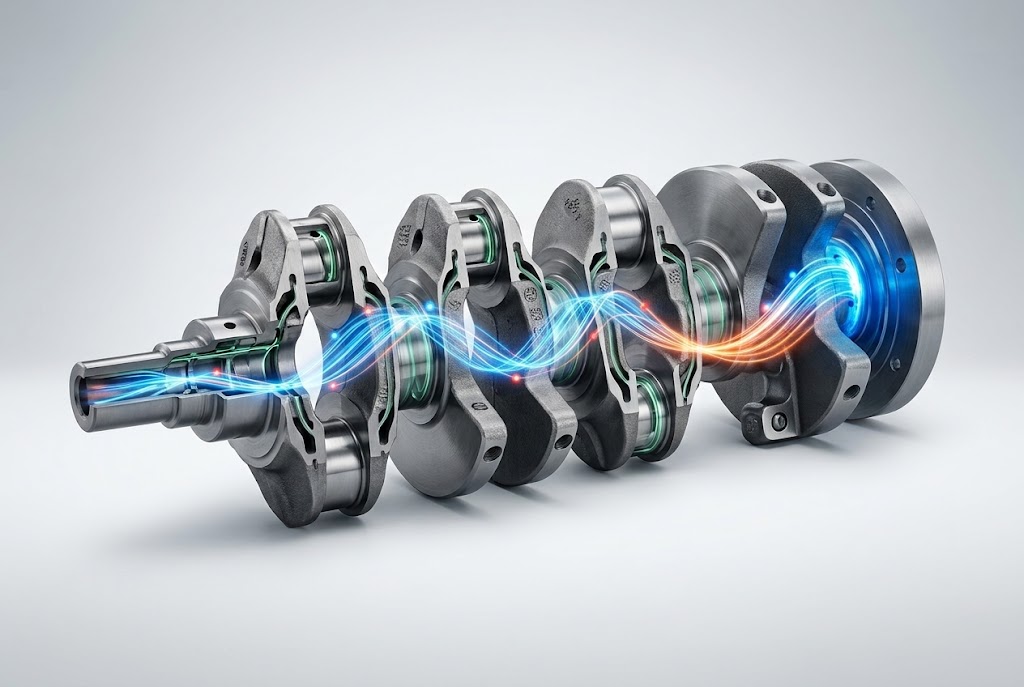
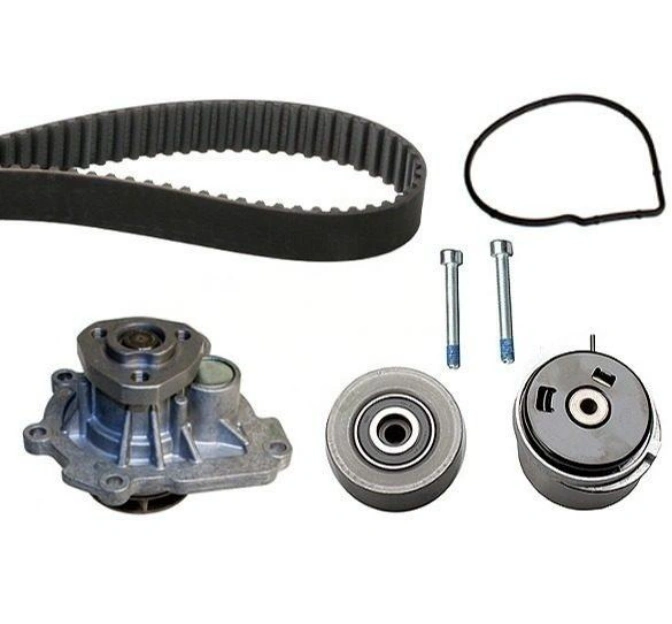
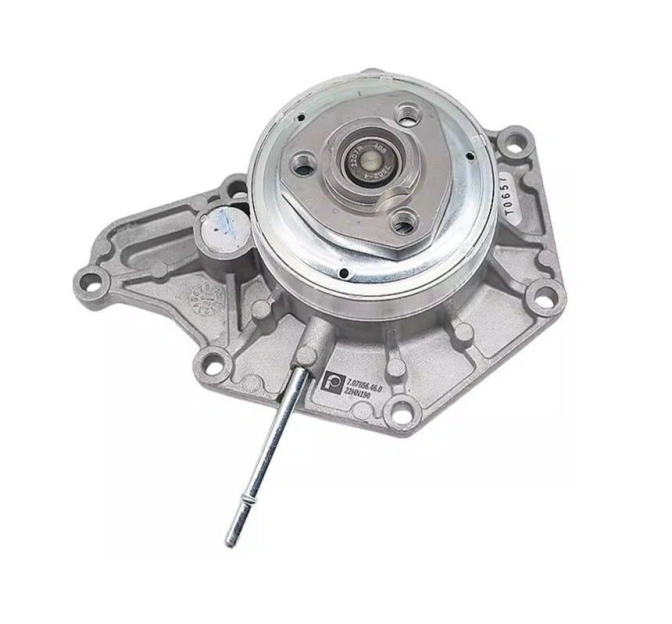
Manufactured by Schaeffler Group, the INA Engine Mechanical Water Pump serves as an essential original equipment (OE) component engineered to maintain continuous, stable coolant flow through the engine block, cylinder head, and radiator. Driven directly by the engine’s timing belt, serpentine belt, or timing chain, this heavy-duty mechanical pump ensures optimal heat dissipation under extreme mechanical and thermal stresses. To eliminate coolant leaks and premature bearing failure—the two most common cooling system issues—INA incorporates advanced silicon-carbide mechanical face seals with precision double-row shaft bearings. Featuring a computer-optimized, corrosion-resistant impeller, each pump minimizes fluid cavitation and hydraulic drag while maximizing flow rates across all engine speeds. Designed to exact European OE dimensional tolerances, the INA Mechanical Water Pump provides a leak-proof, bolt-on replacement for automotive machine shops, professional technicians, and global auto parts distributors servicing modern European, American, and Asian vehicles.
Technical Parameters
| Category | Specifications & Technical Details |
| Silicon-Carbide Mechanical Face Seal Technology | The mechanical shaft seal utilizes a high-hardness silicon carbide (SiC) and carbon mating face combination. This seal features extremely high abrasion resistance and resistance to crystalline particle erosion. It maintains a flat sealing surface over the long term in high-temperature, high-pressure coolant environments containing suspended impurities, fundamentally preventing coolant from leaking into the bearing cavity. |
| Heavy-Duty Double-Row Integral Shaft Bearing | The water pump incorporates Schaeffler (INA / FAG) proprietary double-row ball-needle integrated bearings, with bearing rings ground from high-strength alloy steel. The interior is filled with long-life high-temperature synthetic grease. It offers excellent radial and axial load resistance, easily handling the continuous eccentric tension from the belt tensioner. |
| CFD-Optimized Impeller & Low-Cavitation Geometry | The impeller undergoes 3D profile optimization using computational fluid dynamics (CFD). Material options include corrosion-resistant engineering plastic (PPS / PA66-GF30) or die-cast aluminum alloy. The impeller blade profile ensures high flow output while effectively reducing cavitation generated by water flow at high RPM, preventing surface pitting on the impeller and perforation of the pump body. |
| Precision Pressure Die-Cast Aluminum / Cast Iron Housing | The pump housing is manufactured from high-density die-cast aluminum alloy or gray cast iron, undergoing precision CNC machining to ensure micron-level flatness between the mounting surface and the mating cylinder block. The housing surface undergoes anti-corrosion passivation treatment, withstanding chemical attack from strongly acidic or alkaline coolants and preventing housing oxidation cracking. |
| Micron-Level Pulley Flange & Shaft Runout Precision | The water pump drive shaft journal and pulley flange end face runout and radial runout are controlled within extremely small micron-level tolerances. This ensures the timing belt or accessory belt does not wobble or laterally jump during rotation after installation, greatly extending the service life of the drive belt and tensioner. |
Applicable Car Brands & Models
Common symptoms of a failing mechanical water pump include:
Coolant Leaks: Puddles of coolant or crusty residue near the front of the engine or weeping from the water pump weep hole.
Engine Overheating: The engine temperature gauge rising into the red zone due to a slipping impeller, corroded blades, or fluid blockage.
High-Pitched Whining or Grinding Noise: Loud metallic screeching from the pump pulley area caused by worn, dry, or loose internal shaft bearings.
Loose Water Pump Pulley: Physical play or movement when wiggling the water pump pulley by hand, indicating severe bearing degradation.
Yes, absolutely. On engines where the mechanical water pump is driven by the timing belt, it is industry standard practice to replace the water pump, timing belt, tensioners, and idlers together as a complete kit. Since accessing the water pump requires removing the timing belt assembly, replacing it concurrently eliminates redundant labor costs and prevents a worn pump from failing and destroying a new timing belt.
Yes. Flushing the cooling system with clean water or an approved flushing chemical is essential. Old coolant often contains suspended rust particles, mineral scale, and abrasive debris. If not flushed out, these contaminants can scrape and scratch the fresh carbon-silicon mechanical face seals of the new pump, causing premature fluid leaks.
Each INA Engine Mechanical Water Pump is coated with a light rust-inhibiting film, sealed in a heavy-duty moisture-proof plastic bag with rubber/plastic protective covers over precision mounting faces, and placed into a thick, reinforced Schaeffler INA branded box with custom gasket included. B2B wholesale orders are packed into master cartons and palletized with stretch wrapping for international freight.