
























Description
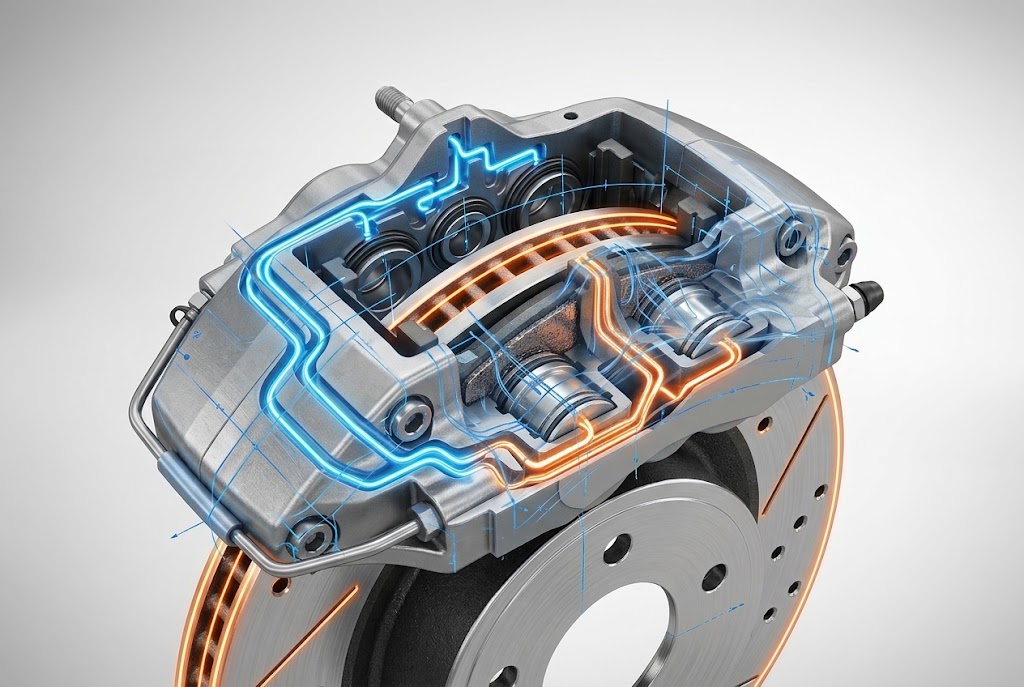
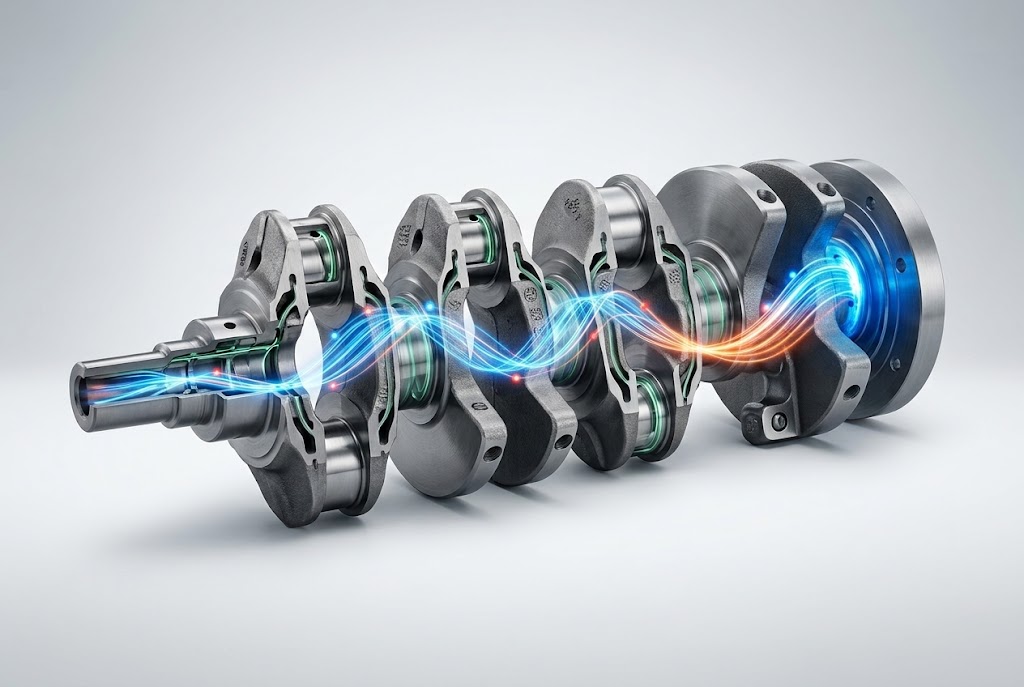
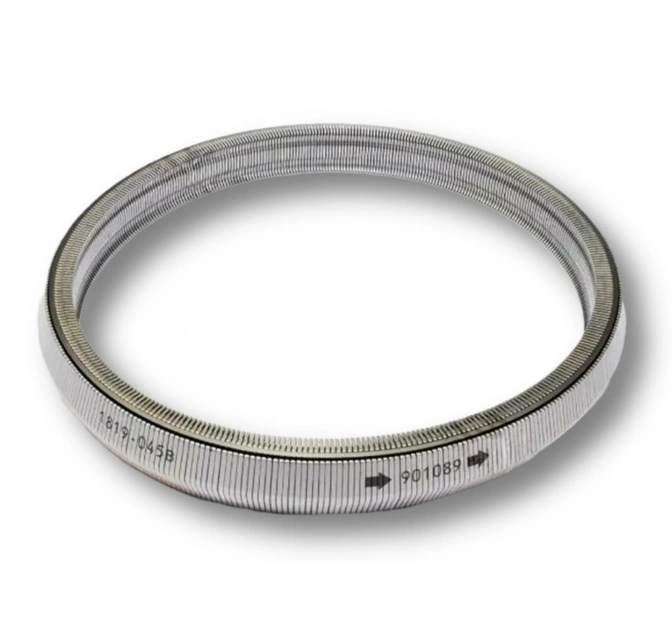
As the original inventor and world’s leading manufacturer of Continuous Variable Transmission (CVT) push-belt technology, BOSCH delivers the premier OEM metal push belt engineered for exceptional efficiency, fuel economy, and seamless acceleration. Unlike conventional traction belts, the BOSCH CVT Metal Push Belt operates on a revolutionary “pushing” power transmission principle, using hundreds of high-precision, fine-blanked steel elements guided by two sets of flexible, ultra-high-tensile steel rings. Engineered to withstand immense clamping hydraulic pressures and continuous thermal stresses within the CVT pulley system, this push belt transmits engine torque with minimal frictional power loss and whisper-quiet operation. Built from proprietary automotive-grade maraging steel, the BOSCH Metal Push Belt is the absolute benchmark for transmission rebuilding, powertrain remanufacturing, and fleet service requiring factory-original torque limits and long-term durability.
Technical Parameters
| Category | Specifications & Technical Details |
| High-Precision Maraging Steel Push Element Architecture | The steel belt is composed of 400–500 micron-level fine-blanked high-hardness maraging steel elements arranged in tight sequence. The push elements feature extremely high yield strength and wear resistance. Under conical pulley compression, they transmit extremely high torque through a “element-pushing-element” thrust mode, fundamentally different from traditional tensile belts. |
| Multi-Layer High-Tensile Steel Ring Sets | Inside both sides of the push elements, a set of support rings composed of 9–12 layers of micron-level high-strength steel rings is nested. These steel rings undergo special surface nitriding treatment and pre-stress strengthening, possessing extremely high tensile strength and cyclic bending fatigue life, providing stable geometric guidance for the entire assembly. |
| Micron-Level Surface Finish & Friction Optimization | The side edge inclination angle of the steel elements contacting the primary / secondary conical pulleys undergoes micron-level precision cutting and special polishing treatment. The friction coefficient is precisely calibrated to ensure no slippage under extreme pressure while greatly reducing fluid shear resistance and transmission noise. |
| High-Torque Capacity & Wide Ratio Spread | Capable of withstanding engine peak torque exceeding 450 N·m. Supports stepless smooth switching of the transmission across an extremely wide ratio coverage range, allowing the engine to always operate in the optimal fuel economy or maximum power output zone. |
| Thermal Stability & High-Shear Fluid Resistance | Withstands CVT-specific oil environments above 140°C and the enormous centrifugal force and hydraulic compression generated by high-speed rotation. Effectively prevents metal annealing, cracking, or fatigue spalling caused by localized overheating. |
Applicable Car Brands & Models
Key failure indicators include:
Transmission Slippage & Hesitation: Engine RPM surges high during acceleration, but the vehicle fails to gain speed proportionally due to belt slippage on the pulleys.
Loud Whining, Shuddering, or Grinding Noises: Metallic chatter or whining from the transmission, caused by worn steel element sides or degraded pulley surfaces.
Transmission Fault Codes & Limp Mode: Diagnostic trouble codes such as P0746 (Pressure Control Solenoid Performance/Stuck Off) or P0841 (Transmission Fluid Pressure Sensor/Switch A Circuit Range/Performance).
Metal Debris in Transmission Pan: Excessive fine metallic shavings or steel ring fragments found on the fluid pan magnets during service.
While the metal push belt can be replaced individually, professional transmission builders strongly recommend inspecting and servicing the primary and secondary pulleys at the same time. If a worn push belt has scored or grooved the pulley faces, installing a new belt on damaged pulleys will cause rapid wear on the new belt elements. Always inspect, resurface, or replace damaged pulleys alongside the push belt.
The BOSCH push belt relies on a precise micro-film of specialized CVT fluid to maintain traction on the smooth steel pulleys while cooling the belt elements. Contaminated, degraded, or incorrect transmission fluid loses its anti-wear and friction-modifying properties, leading to direct metal-to-metal contact, extreme friction heat, rapid push element wear, and sudden ring snapping.
Each genuine BOSCH CVT Metal Push Belt is factory-pre-lubricated with anti-corrosion protective oil, fitted with an internal structural support cage to maintain proper belt curvature, and sealed in an anti-static, moisture-proof heavy-duty plastic bag. It is then nested inside a shock-resistant BOSCH branded box. International wholesale orders are master-boxed with reinforced foam inserts and shrink-wrapped on standard pallets for ocean or air freight.