
























Description
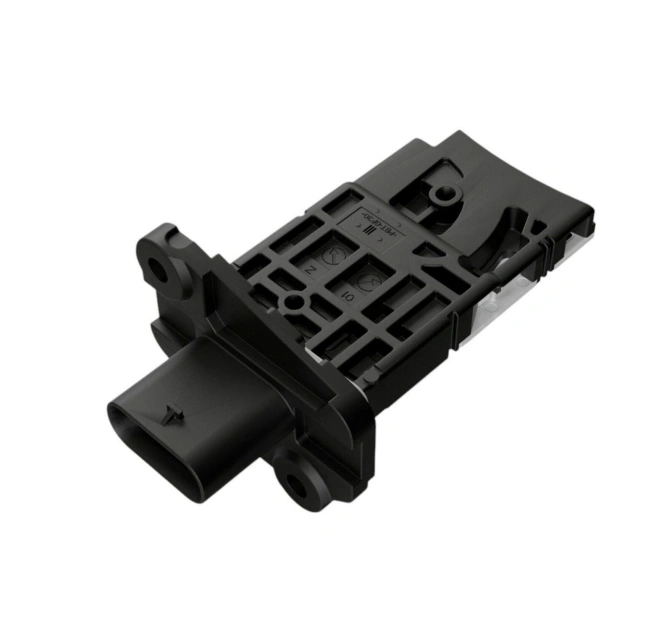
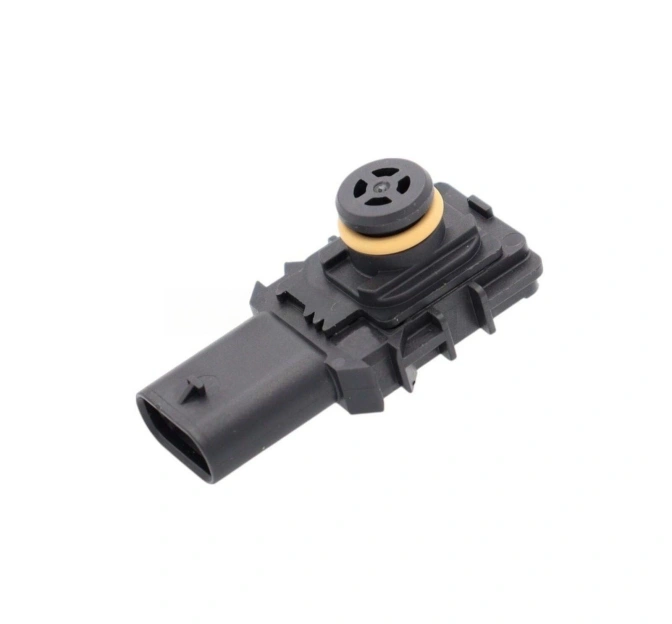
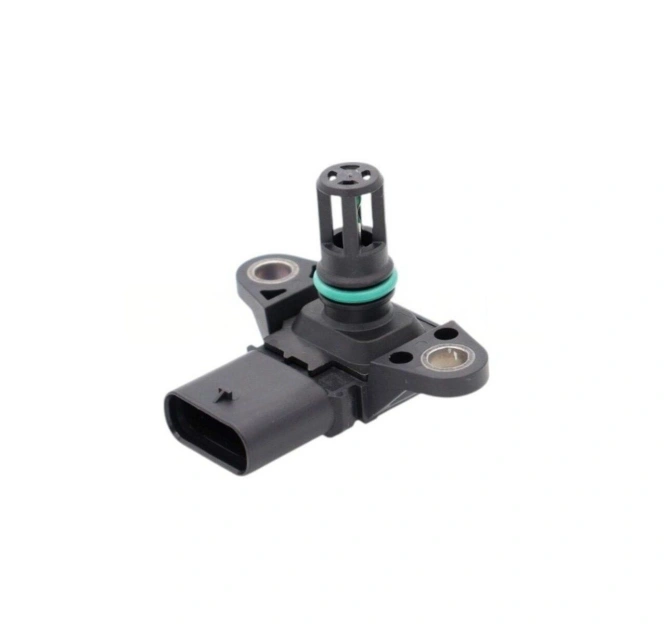
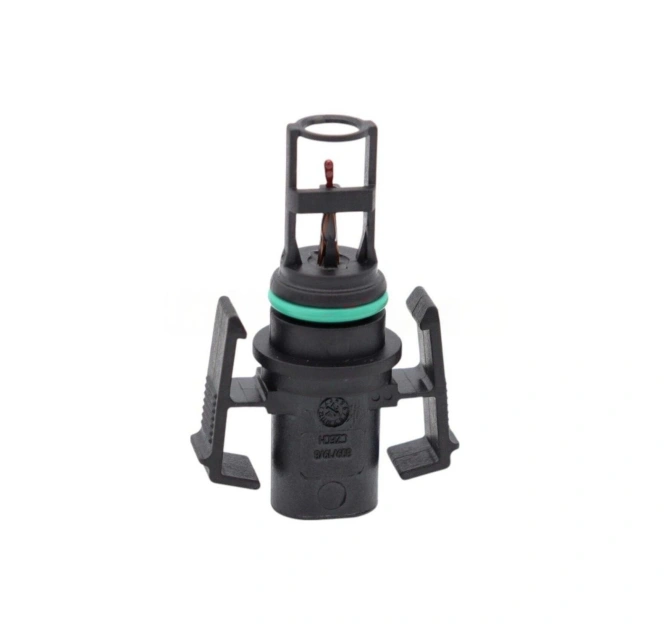
Engineered for accurate thermal monitoring in modern internal combustion engines, the Bosch Intake Air Temperature (IAT) Sensor provides high-frequency, highly stable ambient and intake air temperature data directly to the Engine Control Unit (ECU). Air density changes significantly with temperature, directly impacting cylinder air-fuel ratio and ignition timing. Utilizing premium Negative Temperature Coefficient (NTC) thermistor elements enclosed in a glass-passivated or rugged brass housing, this sensor measures thermal fluctuations in real time across extreme operating ranges. Built to strict Original Equipment (OE) tolerances, it exhibits outstanding resistance to vibration, thermal cycling, and chemical exposure from blow-by vapors or intake oil mist. Replacing a degraded or drifting IAT sensor eliminates cold-start hesitation, unburnt fuel odors, engine misfires under load, and high tailpipe emissions—making it a key maintenance item for automotive parts importers, wholesale distributors, and professional repair facilities globally.
Technical Parameters
| Category | Specifications & Technical Details |
| Thermistor Resistance & Nominal Calibration | Specification: 2.2 kΩ ±5% @ 25°C (nominal NTC resistance; specific off-road and universal models available in 2.5 kΩ or 3.0 kΩ versions) Technical Analysis: Provides a high-precision reference resistance value at the standard 25°C ambient temperature. As temperature rises, resistance decreases non-linearly along a defined negative temperature coefficient curve, providing a low-error basis for the ECU to interpret accurate temperature data. |
| Operating Temperature Range & Thermal Accuracy | Specification: Measuring range -40°C to +130°C, comprehensive measurement error ≤ ±1.5°C within the core operating range of -10°C to +85°C Technical Analysis: The wide and stable temperature measurement range ensures the vehicle can accurately capture true intake air temperature from extreme cold start to high-load high-temperature conditions (e.g., after the turbocharger intercooler), avoiding air-fuel ratio deviation. |
| Thermal Response Time Constant (τ63) | Specification: Thermal response time in air medium τ63 ≤ 8 seconds (high-sensitivity dew-drop / exposed probe types can achieve ≤ 3 seconds) Technical Analysis: The thermistor housing and internal filling medium feature low thermal capacitance characteristics, enabling rapid tracking of drastic intake air temperature changes during sudden throttle opening or turbo spool-up, completely eliminating fuel injection lag during acceleration. |
| Signal Output Type & Sensitivity Coefficient (B-value) | Specification: Combined with the ECU internal pull-up resistor, outputs 0.2V to 4.8V DC analog voltage divider signal. B25/85 constant ranges from 3400 K to 3900 K Technical Analysis: A higher B-value means the sensor has extremely high sensitivity to temperature changes, converting subtle physical changes in intake air density into clear voltage change signals, improving engine thermal efficiency. |
| Insulation Resistance & Environmental Ruggedness | Specification: Room-temperature insulation resistance ≥ 100 MΩ (at 100V DC), ingress protection rating IP67 / IP69K, vibration resistance up to 30 g (gravitational acceleration) Technical Analysis: High-insulation anti-leakage design between pins and housing. The corrosion-resistant housing insulation protective layer provides long-term resistance to oil vapor and carbon deposit corrosion from the positive crankcase ventilation (PCV) system, preventing signal drift and short-circuit failure. |
Applicable Car Brands & Models
Typical symptoms include hard cold starting, engine misfires or hesitation during acceleration, high fuel consumption, strong gasoline/unburnt fuel smells from the exhaust, rough idling, and an illuminated Check Engine Light (CEL) with OBD-II codes such as P0111, P0112 (IAT Sensor Circuit Low), P0113 (IAT Sensor Circuit High), or P0114.
Cold air is denser and requires more fuel, while warm air is less dense and requires less fuel. The ECU uses the IAT sensor’s temperature readings in conjunction with pressure or airflow data to compute total intake air mass, continuously fine-tuning fuel injector pulse widths and spark advance timing.
If the sensor probe is simply coated with oil mist or carbon buildup, it can sometimes be cleaned using a non-residue electronics cleaner or MAF cleaner. However, if the internal NTC thermistor element has suffered thermal aging, internal cracking, or permanent electrical drift, complete replacement with a genuine Bosch unit is necessary.
For stocked high-volume Bosch part numbers, the Minimum Order Quantity (MOQ) starts as low as 20–50 units. Lead times range from 3–5 business days for in-stock quantities to 15–30 days for factory re-order shipments.