
























Description
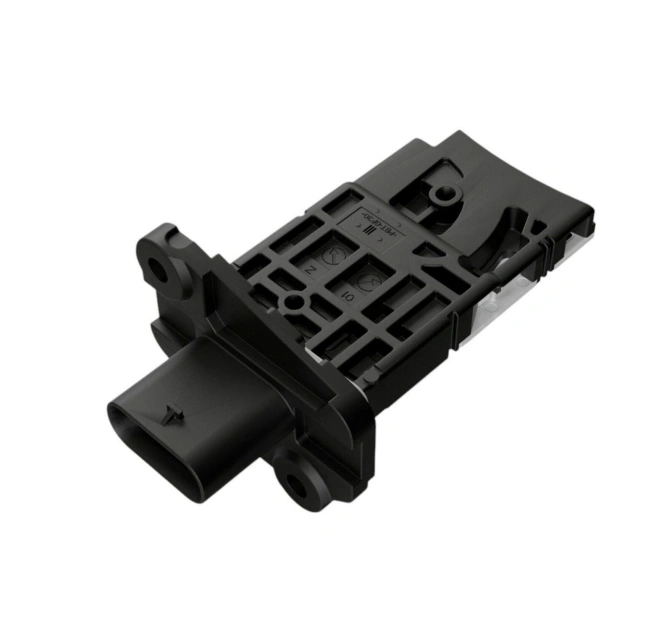
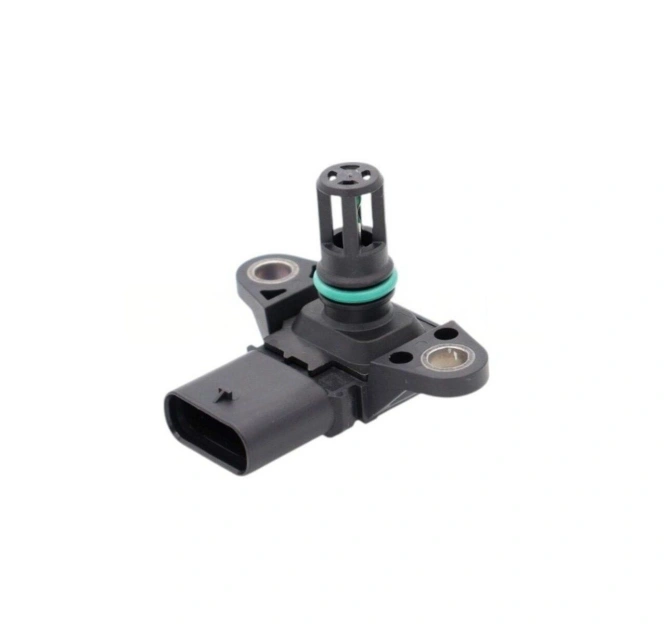
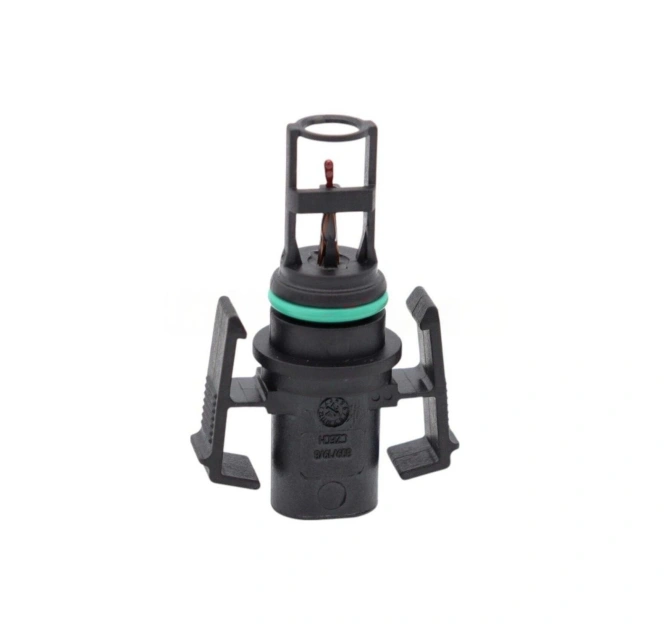
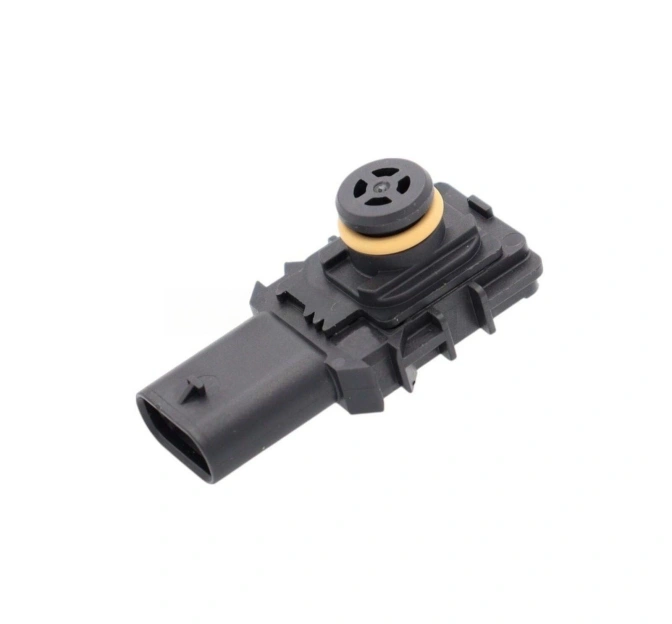
Specifically designed for Audi’s advanced TFSI, TSI, and TDI turbocharged platforms, this Bosch Manifold Absolute Pressure (MAP) Sensor delivers ultra-precise intake manifold pressure and boost readings directly to the Engine Control Unit (ECU). Utilizing state-of-the-art piezoresistive silicon MEMS technology, it measures micro-level pressure fluctuations within the intake system to maintain an optimal air-fuel ratio and turbo boost calibration. Built to match exact Original Equipment (OE) specifications, it features superior vibration damping, oil-mist protection, and fast thermal response. This sensor eliminates boost lag, engine misfires under load, rough idling, and sudden power loss, making it an essential high-volume replacement part for European auto parts importers, wholesale distributors, and Audi repair specialists worldwide.
Technical Parameters
| Category | Specifications & Technical Details |
| Absolute Pressure Measurement Range (Pmin → Pmax) | Specification: 20 kPa to 300 kPa (or 50 kPa to 400 kPa, depending on boost and high-performance application models) Technical Analysis: Precisely covers intake pressure variations from high-vacuum idle to high turbo boost conditions, with a wide dynamic response range. Perfectly compatible with Audi TFSI turbocharged systems. |
| Signal Output Voltage & Sensing Accuracy | Specification: Proportional output 0.5V to 4.5V DC analog signal, full-scale comprehensive measurement accuracy error ≤ ±1.0% FS Technical Analysis: Features ultra-low zero-point drift and excellent linearity, ensuring the ECU (e.g., Bosch MED17 / Simos) receives highly accurate cylinder charge load data for precise control of fuel injection quantity and ignition advance angle. |
| Dynamic Response Time (τ0.9) | Specification: Millisecond-level fast response ≤ 2.0 ms Technical Analysis: Based on a high-sensitivity MEMS silicon piezoresistive micro-diaphragm, it instantly captures sudden pressure changes during turbocharger spool-up or pressure release, completely eliminating power lag when the accelerator is pressed. |
| Integrated Temperature Sensor & Compensation | Specification: Automatic pressure and temperature compensation, built-in NTC negative temperature coefficient thermistor (Intake Air Temperature sensor IAT, 2.2kΩ @ 25°C), operating temperature range -40°C to +130°C Technical Analysis: Simultaneously detects intake pressure and intake air temperature at the same measurement point, automatically correcting physical changes in air density caused by high temperatures (e.g., after the intercooler), improving electronic control calculation efficiency. |
| Operating Voltage & Environmental Protection | Specification: 5.0V DC ± 0.5V reference supply voltage, quiescent current < 10 mA; integrated reverse voltage protection, short-circuit protection, ingress protection rating IP67 / IP69K, compliant with ISO 7637 EMC standards Technical Analysis: The sensor’s piezoresistive chip surface is coated with anti-condensation and anti-oil-vapor corrosion gel (gellified protection coating). Even during long-term exposure inside the oil-vapor-laden high-temperature intake manifold, it resists failure. |
Applicable Car Brands & Models
Common warning indicators include noticeable engine hesitation or boost lag during acceleration, erratic idling, engine misfiring under heavy load, poor fuel economy, sudden limp mode (power limitation), and an illuminated Check Engine Light (CEL/EPC) with fault codes such as P0106, P0107, P0108, or P0236.
Yes, Bosch is a primary Original Equipment Manufacturer (OEM) for the Volkswagen/Audi Group (VAG). Bosch MAP sensors are engineered strictly according to Audi factory physical dimensions, electrical response curves, and pressure-sensing parameters, enabling 100% direct plug-and-play fitment without ECU recalibration.
A MAF (Mass Air Flow) sensor measures the total volume/mass of air entering the intake system, usually located near the air filter box. A MAP (Manifold Absolute Pressure) sensor measures the air pressure inside the intake manifold or boost pipe, allowing the ECU to calculate engine load, especially under turbo boost conditions.
Minimum Order Quantity (MOQ) depends on current warehouse stock. For fast-moving stocked SKUs, the MOQ starts as low as 10–20 units. Lead times typically range from 3–5 business days for stock items to 15–30 days for bulk factory production orders.