
























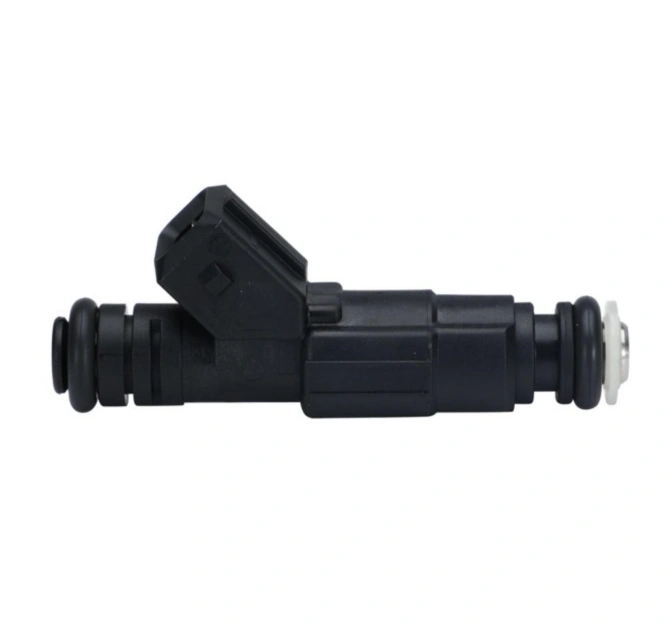
Description
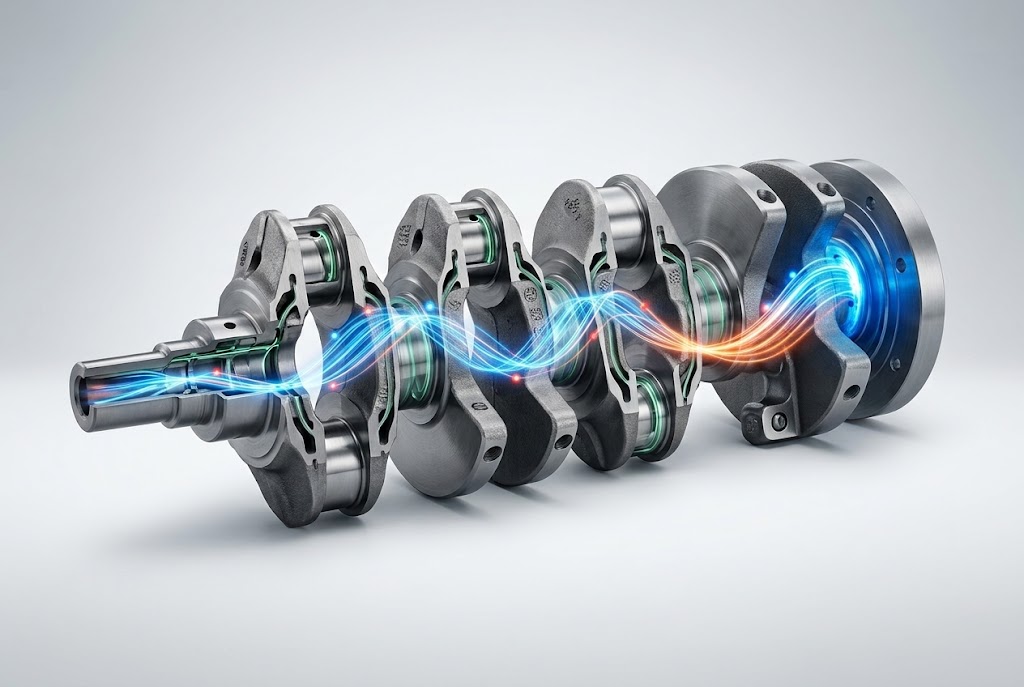
Engineered for optimal fuel delivery in Multi-Point Fuel Injection (MPFI / PFI) engine architectures, this BOSCH port fuel injector delivers precise fuel metering and low-pressure spray atomization directly into the intake runner. Built to stringent Original Equipment (OE) manufacturing standards, it ensures a balanced air-fuel ratio, quiet operation, and smooth throttle acceleration across all driving conditions. Featuring anti-clogging internal flow channels and high-grade corrosion-resistant seals, this injector eliminates fuel pooling, cold-start hesitation, and rough idling. It is an essential, high-volume replacement part for automotive parts importers, wholesale distributors, and global repair station networks.
Technical Parameters
| Category | Specifications & Technical Details |
| Structural Design | Compact port injection architecture integrating a micron-level fuel inlet filter screen, high-response solenoid coil, precision needle / ball valve assembly, and multi-hole low-pressure directional spray nozzle. |
| Core Material | Constructed with high-permeability corrosion-resistant alloy steel, lightweight reinforced engineering plastic housing (PA66-GF30 composite), and FKM / Viton O-ring seals resistant to low-sulfur gasoline and ethanol-blended fuels (E10 / E85). |
| Energy Transmission | Low-pressure port liquid pulse spray transmission — under 3.0–4.5 bar system rail pressure, controlled by ECU 12V saturated switch or peak-and-hold pulse signals to achieve millisecond-level precise fuel delivery. |
| Circuit & Insulation System | High-impedance / low-impedance solenoid circuit design (typical impedance range 12–16Ω). Dielectric withstand strength exceeding 500V DC. Built-in electromagnetic compatibility (EMC) noise suppression module, perfectly matching mainstream brand ECU signals. |
| Protection & Durability | Excellent resistance to gum coking and anti-vapor lock capability. High-sealing O-rings prevent intake manifold vacuum leaks. Stable long-term operation in engine intake environments from -40°C to +125°C. |
Applicable Car Brands & Models
A Port Fuel Injector (MPFI) sprays fuel into the intake manifold/runner at lower pressure (approx. 3–5 bar) where it mixes with air before entering the combustion chamber. A Direct Injector (GDI) sprays fuel directly into the engine cylinder at much higher pressure (up to 150–350 bar).
Typical warning signs include engine misfires, rough idling, poor fuel economy, delayed acceleration response, hard starting (especially when cold), and an illuminated Check Engine Light (CEL) with system lean fault codes.
Yes, BOSCH port fuel injectors are built to exact Original Equipment (OE) physical dimensions, electrical resistance, and static/dynamic flow specifications, enabling 100% direct plug-and-play installation without fuel rail modifications.
Minimum Order Quantity (MOQ) depends on specific part numbers. For fast-moving stocked SKUs, MOQ starts as low as 20–50 units (or packaged in engine sets of 4/6). Typical lead times are 3–5 business days for stock items and 15–30 days for bulk factory orders.