
























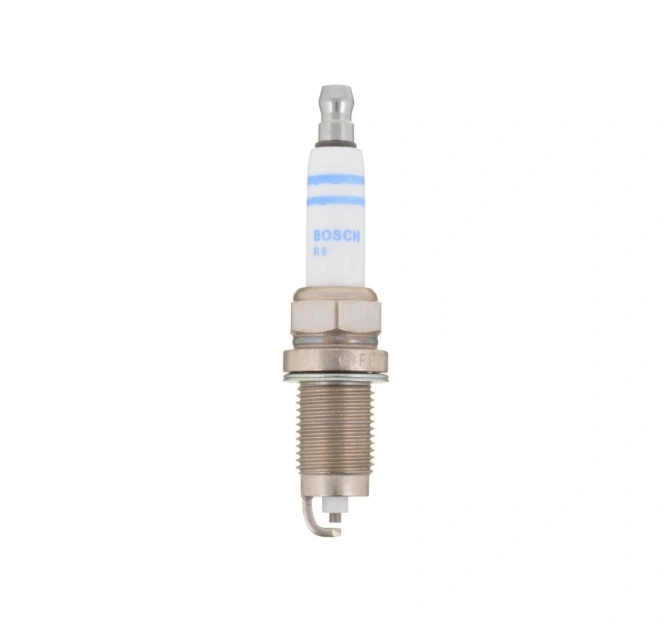
Description
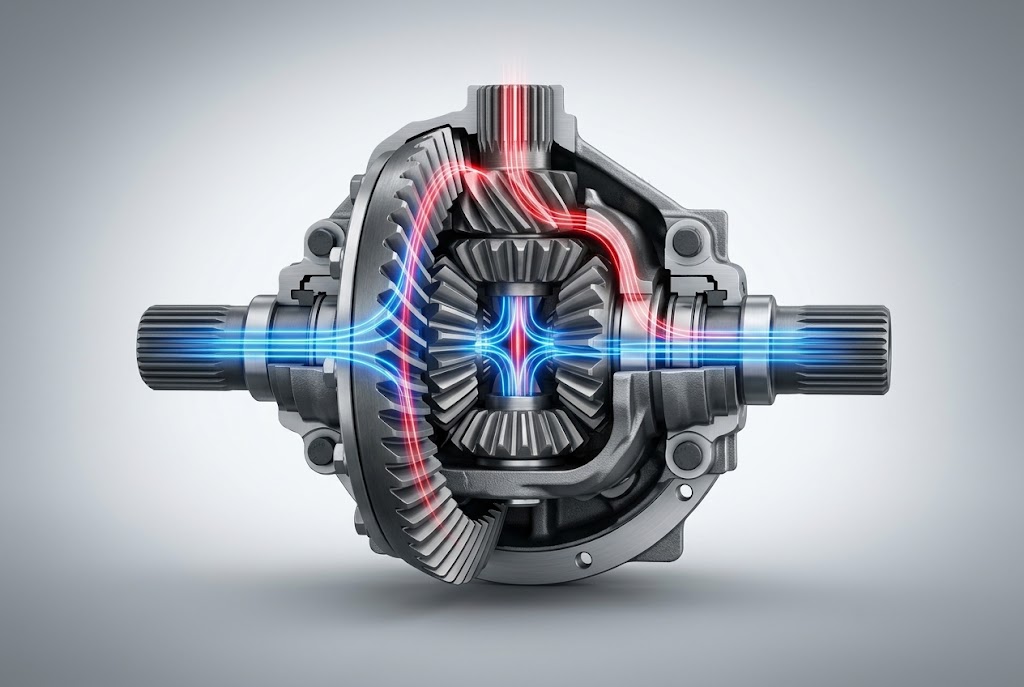
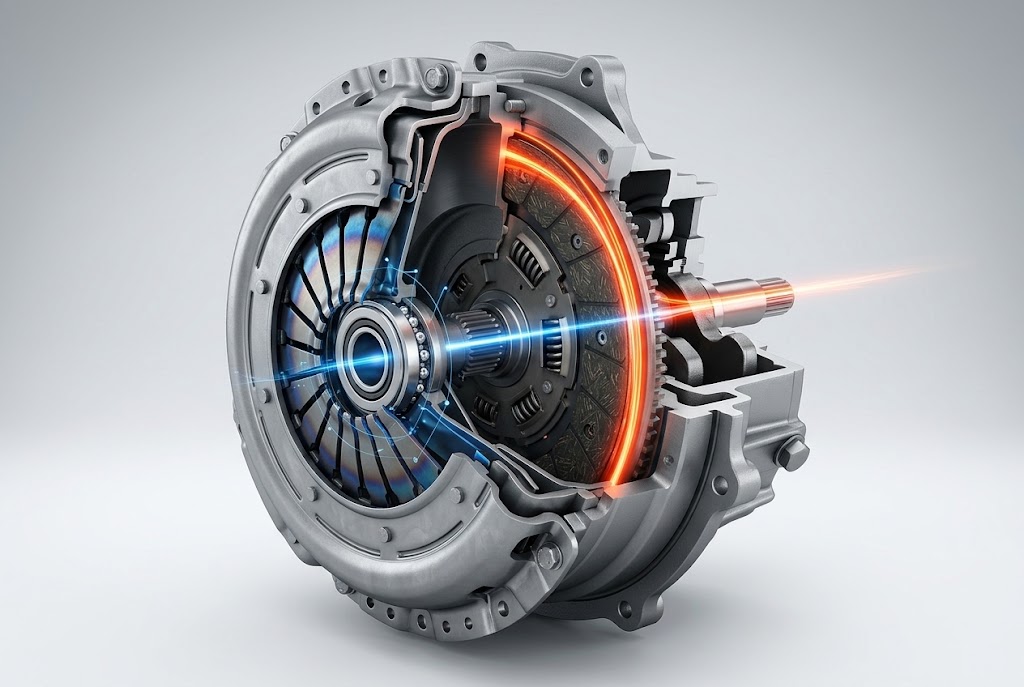
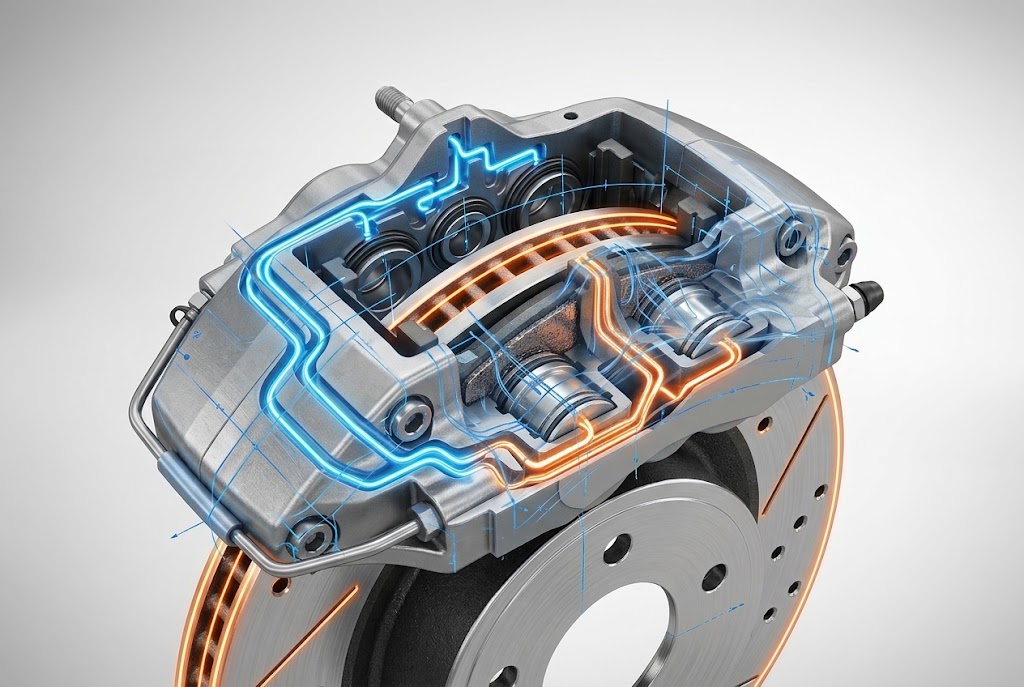
Designed to deliver consistent ignition efficiency and reliable engine starts, Bosch Spark Plugs represent the benchmark in global automotive original equipment (OE) and aftermarket replacements. Whether utilizing advanced nickel-copper alloy, double platinum, or multi-ground electrode configurations, Bosch spark plugs are built to meet or exceed strict manufacturer specifications for flame propagation and anti-fouling durability. Each plug features a heavy-duty continuous-wave ceramic insulator for superior dielectric strength, a corrosion-resistant nickel-plated shell, and an integrated interference-suppression resistor to protect vehicle onboard electronics and audio systems. Engineered for precise thermal management across diverse driving conditions, Bosch spark plugs ensure complete fuel combustion, reduce raw hydrocarbon emissions, and smooth out rough idling. They serve as an essential, high-turnover inventory staple for auto parts importers, distributors, fleet operations, and commercial repair workshops worldwide.
Technical Parameters
| Category | Specifications & Technical Details |
| Center Electrode Material & Alloy Composition | Specification: Yttrium-enhanced nickel alloy or double platinum fused tip, with embedded heavy-duty copper core Technical Analysis: The copper core rapidly conducts heat accumulated in the combustion chamber, while the yttrium / nickel or platinum outer layer minimizes thermal degradation of the electrode tip. This significantly slows electrode erosion and gap widening, maintaining a long-term stable spark gap. |
| Heat Range Rating & Thermal Control (Bosch Scale 3 to 10) | Specification: Covers the complete Bosch heat range coding system from 3 (Cold) to 10 (Hot), precisely controlling insulator nose temperature between 450°C and 850°C Technical Analysis: Scientific heat range setting ensures the spark plug quickly reaches the 450°C “self-cleaning temperature” during low-speed driving to burn off electrode carbon deposits, while preventing exceeding the 850°C limit under high-speed heavy-load conditions, effectively eliminating pre-ignition and in-cylinder knocking. |
| Ceramic Insulator Dielectric Strength & Anti-Flashover Ribs | Specification: High-density aluminum oxide ceramic structure, with 5-rib anti-flashover design on the shell, dielectric breakdown voltage ≥ 30 kV Technical Analysis: Significantly extends the physical path for high-voltage electricity from the ignition coil to leak along the insulator exterior. Even in high-humidity, high-contamination engine bay environments, 100% of ignition energy is still directed to the electrode gap. |
| Integrated Interference Suppression Resistor | Specification: Built-in 1 kΩ to 6 kΩ metal-glass sintered monolithic resistor element Technical Analysis: Without reducing spark ignition energy, it effectively absorbs high-frequency electromagnetic radiation (RFI / EMI) generated at the moment of spark discharge, preventing interference with onboard ECU, sensor signal lines, and infotainment system operation. |
| Shell Anti-Corrosion Plating & Thread Sealing | Specification: Precision rolled threads with nickel-plated anti-seize steel shell. The sealing gasket features high-elasticity pressure recovery Technical Analysis: The nickel-plated shell offers excellent oxidation resistance and anti-seize performance — no anti-seize compound required during installation or removal. The high-quality outer gasket effectively withstands combustion chamber gas impact pressures up to 30–40 bar, preventing cylinder compression leakage. |
Applicable Car Brands & Models
Recommended replacement intervals depend on the electrode material:
Standard Nickel/Copper Plugs: Every 20,000 to 30,000 miles (30,000 to 45,000 km).
Platinum / Double Platinum Plugs: Every 50,000 to 60,000 miles (80,000 to 100,000 km).
Always follow the specific service schedule provided in the vehicle’s owner manual.
Bosch uses a structured alpha-numeric system to define spark plug specs:
First Letters (e.g., F / W): Thread size, pitch, and hex wrench size.
R: Indicates an integrated interference suppression resistor.
Number (e.g., 7 / 8): Heat range rating (lower numbers indicate colder plugs; higher numbers indicate hotter plugs).
Suffix Letters (e.g., D / C / +): Thread reach, electrode design, and alloy material code.
Yes, all standard Bosch spark plugs come factory pre-gapped according to their intended primary vehicle applications. However, because a single plug part number may fit multiple engine variants, technicians should always verify the gap with a wire gauge before installation and adjust gently if necessary.
Bosch spark plugs are supplied in individual unit boxes, master 10-packs, or bulk 100-unit trade cartons. Wholesale export MOQ typically starts at 200 to 1,000 units depending on regional stock availability, with standard warehouse lead times of 3 to 7 business days for ready-to-ship inventory.