
























Description
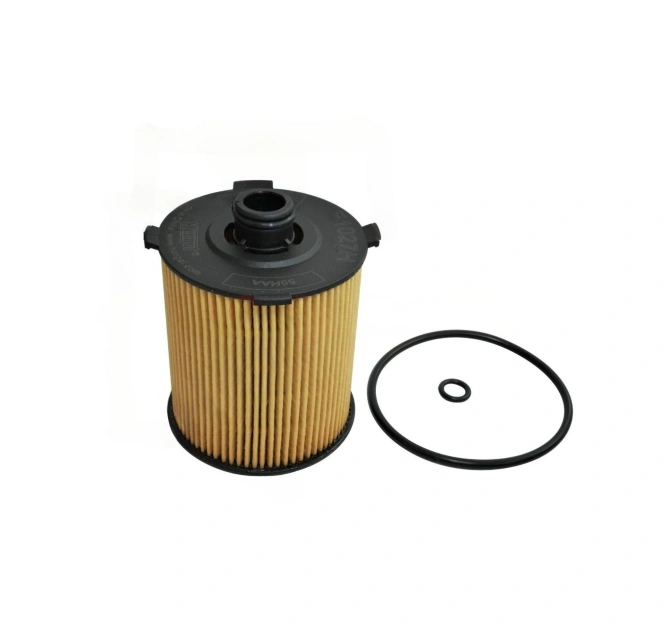
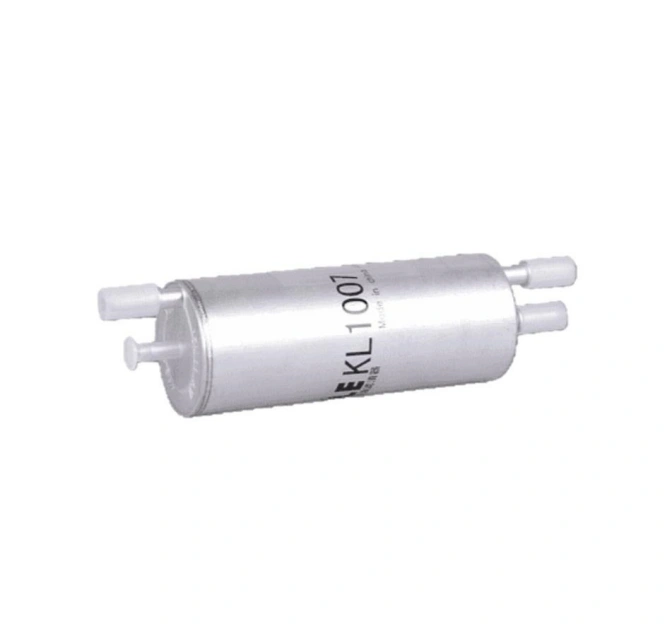
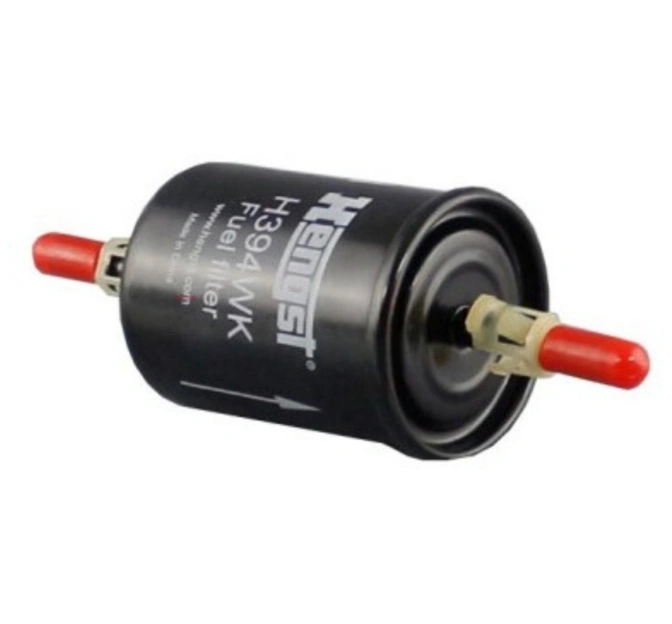
Engineered to safeguard modern high-pressure fuel injection systems against microscopic abrasive particles and water contamination, the Hengst Auto Fuel Filter ensures peak engine performance, fuel economy, and emission stability. Today’s sophisticated Common Rail Diesel (CRDi) and Gasoline Direct Injection (GDI) systems operate under extreme pressure conditions (exceeding 2,500 bar), where even micron-sized impurities can cause premature injector wear, nozzle clogging, or fuel pump failure. Utilizing multi-layer melt-blown synthetic media, resin-impregnated cellulose, and advanced water-coalescing technology, Hengst Fuel Filters achieve exceptional filtration efficiency while maintaining optimal fuel flow rate. Housed in pressure-resistant aluminum, stainless steel, or high-strength composite enclosures, these filters endure harsh temperature fluctuations, mechanical vibrations, and aggressive bio-fuel blends (such as E10 or B20). Installing a genuine Hengst fuel filter guarantees clean fuel delivery, maintains precise fuel spray patterns, prevents costly engine overhauls, and ensures full compliance with international Euro 6 / EPA emissions standards—making it an essential replacement component for automotive distributors, service stations, and commercial fleet operators worldwide.
Technical Parameters
| Category | Specifications & Technical Details |
| Multi-Layer Melt-Blown Media & Micron Rating | Utilizes full-synthetic melt-blown fiber and cellulose composite filter paper with progressive density design. Interception efficiency for extremely fine solid contaminants (rust particles, sludge, gum) ≥ 2 μm to 5 μm (microns) reaches over 95%. Completely prevents micron-level particles from scoring precision high-pressure pump plungers and injector needle valves. |
| Advanced Water Coalescing & Coated Mesh Separation | Diesel fuel filters specially integrate advanced water separation technology. Through hydrophobic and oleophobic coated mesh and coalescing filter layers, emulsified or free water in diesel fuel is efficiently coalesced and intercepted, with water separation efficiency up to 98%. Effectively prevents rust, cavitation erosion, and microbial growth in high-pressure common rail systems caused by moisture. |
| Pressure Resistance & Leak-Tight Housing Seal | The housing is manufactured from cold-drawn aluminum alloy, stainless steel, or corrosion-resistant engineering plastic, with maximum burst pressure exceeding 15 bar (far above normal fuel pump operating pressure). Combined with FKM / HNBR precision sealing rings, it maintains zero leakage under extreme temperature differentials from -40°C to +120°C and high-pressure pulse impacts. |
| Optimized Internal Flow Architecture & Low Pressure Drop | Internal flow dynamics are optimized through fluid dynamics simulation, ensuring minimum resistance as fuel passes through the filter element (pressure drop less than 0.1 bar at rated flow). Even during extreme cold weather diesel waxing or high-load hard acceleration, it ensures smooth fuel pump supply, preventing cavitation and engine fuel starvation stall. |
| Bio-Fuel Compatibility (E10 / E85 & B20 / B100) | Filter paper and adhesives undergo special chemical modification, fully compatible with ethanol-blended gasoline (E10, E85) and biodiesel (B20, B100). Effectively blocks weakly acidic corrosive substances produced after biofuel absorbs water, preventing filter paper softening or rupture, or filter adhesive dissolution that could clog fuel lines. |
Applicable Car Brands & Models
Common indicators of a restricted fuel filter include engine hesitation under load, loss of horsepower at high speeds, difficult engine starting (extended cranking), rough idling, engine misfires, a lit “Check Engine” light, or a “Water in Fuel” (WIF) warning light on diesel dashboard displays.
Replacement intervals depend on vehicle manufacturer recommendations, fuel type, and regional fuel quality. As a general rule:
Diesel Fuel Filters: Every 15,000 to 30,000 miles (20,000 to 40,000 km) or during scheduled annual maintenance.
Gasoline In-Line Filters: Every 30,000 to 50,000 miles (45,000 to 80,000 km).
Note: If operating in areas with poor fuel quality or high biodiesel blends, more frequent replacement is strongly recommended.
Hengst diesel filters use hydrophobic coalescing media that forces microscopic water droplets to merge into larger beads. These heavy water drops settle into a collection reservoir at the bottom of the filter. Many models feature a manual drain valve or Water-in-Fuel (WIF) sensor port, allowing technicians to drain collected water periodically between regular filter replacement intervals.
Hengst fuel filters are individually packed in sealed, protective branded cardboard boxes with oil-resistant caps over inlet/outlet ports to prevent contamination prior to installation. Export master cartons contain 10 to 40 units. Wholesale export MOQs typically start from 20 to 50 units per part number, with flexible shipping options available for mixed-part distributor orders.