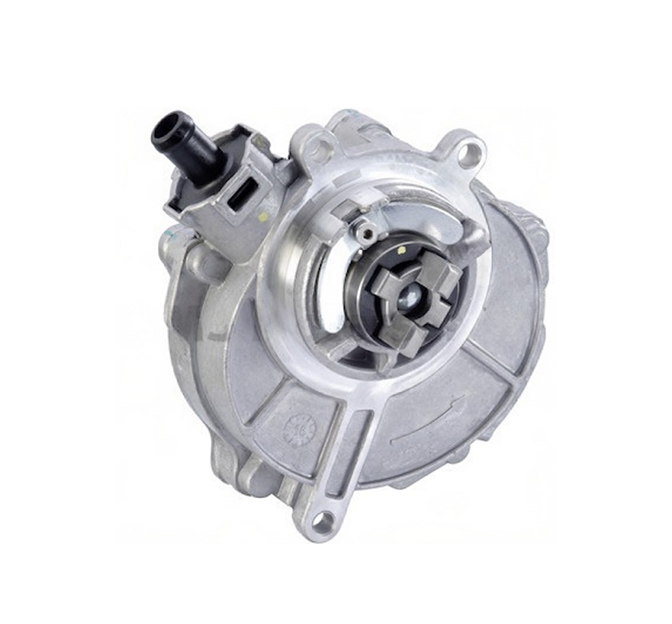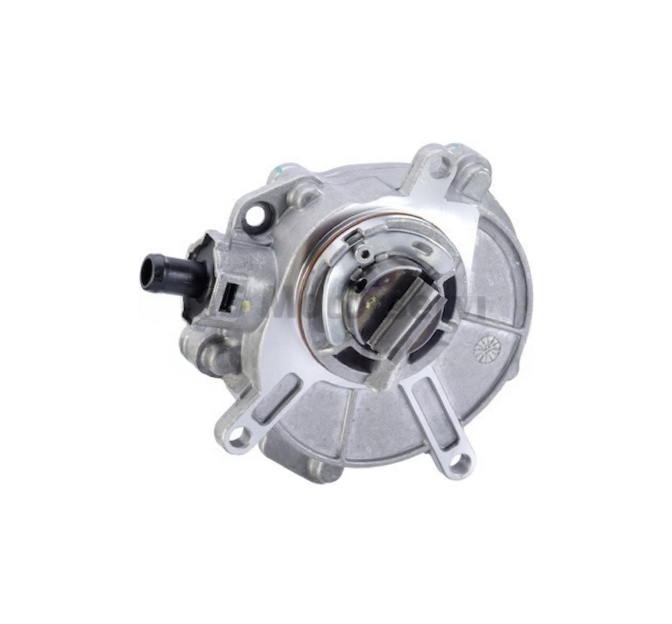

























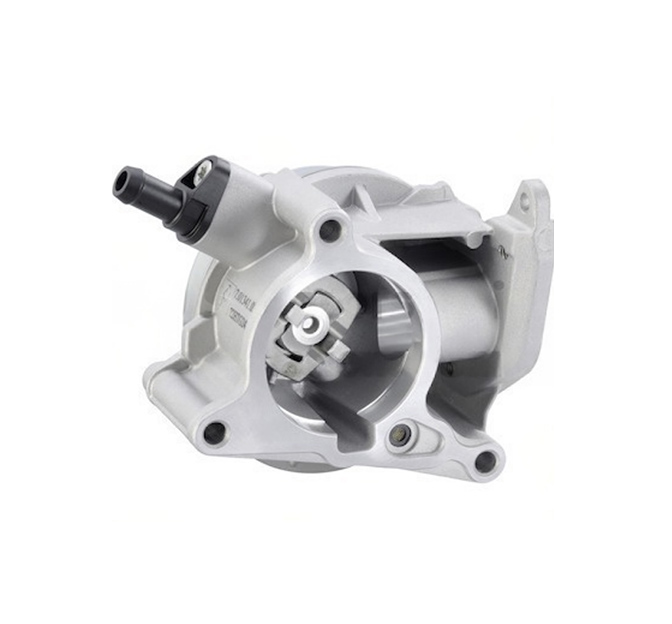
Description
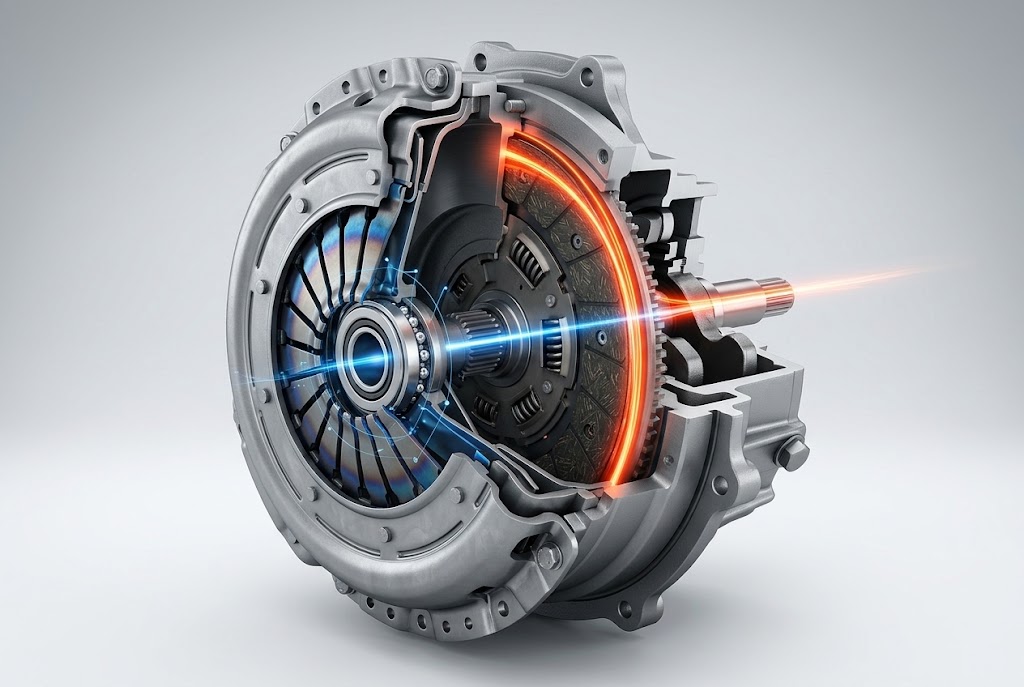
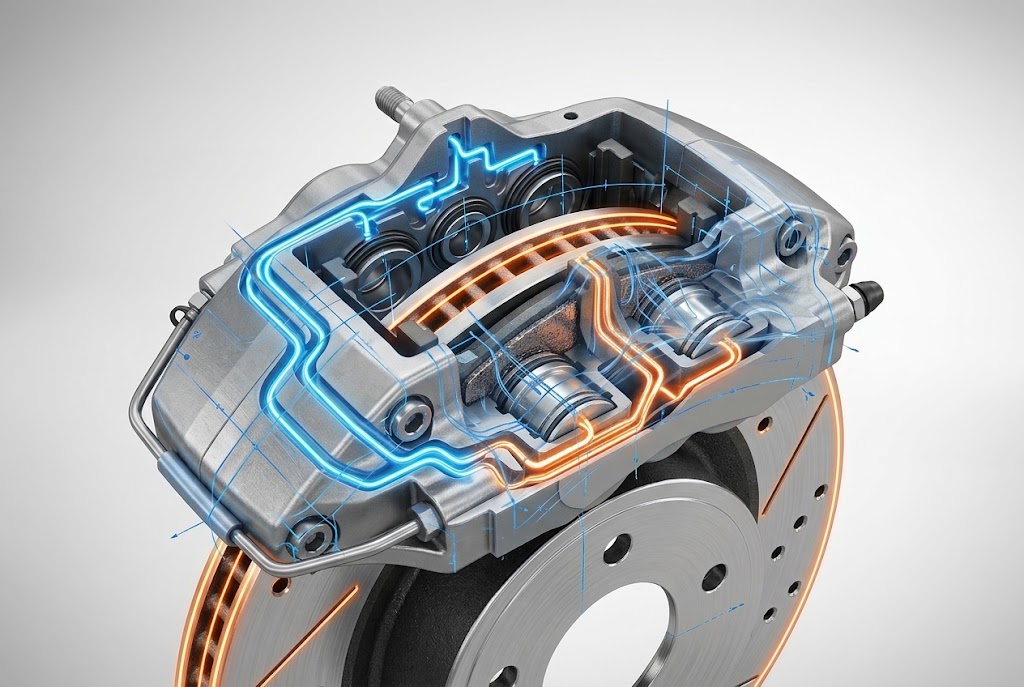
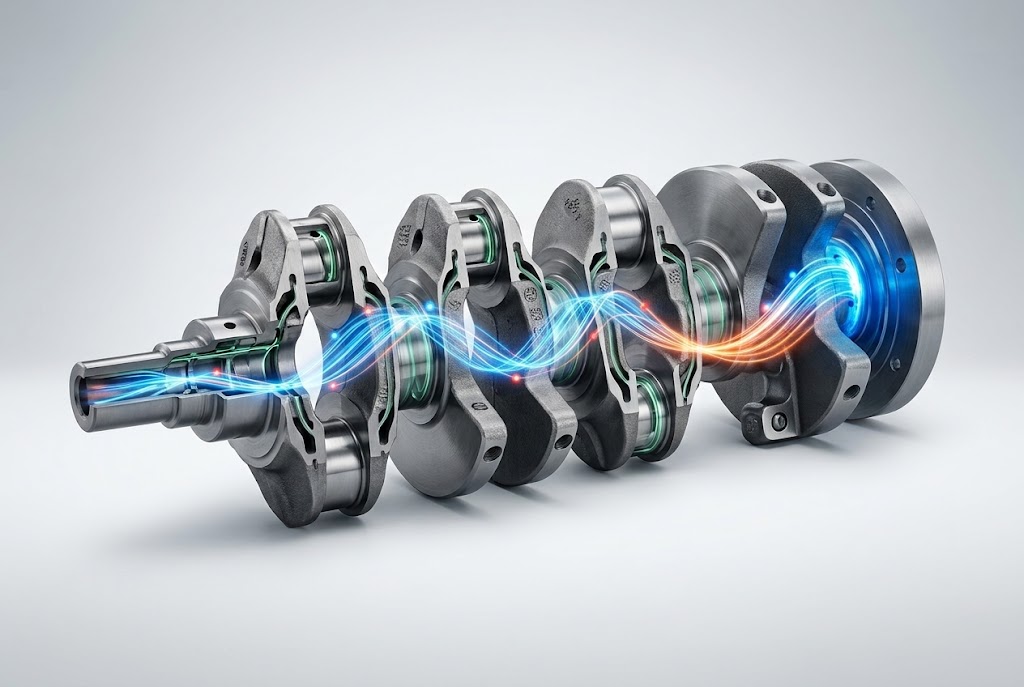
Engineered by LuK (a premier brand of the Schaeffler Group) to exact original equipment (OE) specifications, the LuK Engine Brake Vacuum Pump supplies a continuous, highly stable negative pressure source for modern vehicle power braking systems and auxiliary pneumatic actuators. Because modern high-efficiency gasoline direct injection (GDI) and turbocharged diesel engines produce little to no natural manifold vacuum, a dedicated camshaft-driven or crank-driven auxiliary vacuum pump is critical for safe braking operation. Utilizing high-precision rotary vane or tandem displacement mechanics, LuK vacuum pumps deliver rapid vacuum pull-down times even at idle speeds. Manufactured with a high-strength die-cast aluminum housing, heat-treated internal rotors, and thermal-resistant composite vanes, this assembly is engineered to endure extreme thermal cycling, continuous oil immersion, and high engine vibration levels. It serves as an essential, high-reliability replacement module for European auto specialists, engine overhaul facilities, and commercial fleet managers worldwide.
Technical Parameters
| Category | Specifications & Technical Details |
| Ultimate Vacuum Level & Pull-Down Rate | Utilizes high-precision vane or tandem pump body construction, rapidly generating vacuum of no less than -0.85 bar to -0.92 bar (approximately -85 kPa to -92 kPa under near-absolute vacuum) at idle. Ensures the brake booster always receives sufficient assist during emergency braking or continuous brake pedal application, keeping the brake pedal light and braking response sharp. |
| Volumetric Efficiency & Low Driving Torque | The pump body interior undergoes micron-level precision machining, with excellent clearance control between the vane and pump chamber inner wall. While delivering high pumping airflow of 120–160 L/min, the friction drag torque exerted by the engine camshaft remains below 1.5 N·m, effectively reducing additional engine power loss and contributing to vehicle fuel savings and emission reduction. |
| Integrated Oil Lubrication & Return Channel | The pump body connects directly to the engine main oil gallery, utilizing engine oil for forced lubrication, airtight sealing, and cooling. Built-in precision check valve and oil-air separation channel prevent oil from flowing backward into the brake booster rubber diaphragm after engine shutdown, protecting the brake system from oil corrosion damage. |
| Die-Cast Aluminum Alloy Housing | The housing is manufactured from high-strength ADC12 or A380 die-cast aluminum alloy, featuring extremely high fatigue resistance and thermal conductivity. Maintains structural stability under extreme temperature differentials from -40°C to +150°C in the engine bay and severe mechanical vibration, never developing housing micro-cracks or mounting surface deformation. |
| Camshaft / Fuel Tandem Drive Coupling Interface | The drive shaft end features a quench-hardened cross-key or gear interface, with precision meeting OE-level tooth backlash specifications. On diesel vehicle platforms, LuK often employs a vacuum pump and diesel fuel tandem pump two-in-one series design, using a single shaft to drive both functional units, greatly saving installation space at the rear of the cylinder head. |
Applicable Car Brands & Models
Common indicators of a failing vacuum pump include:
Hard Brake Pedal: The brake pedal becomes extremely stiff, requiring significantly higher foot pressure to slow down the vehicle (loss of vacuum assist).
Oil Leaks: Visible engine oil weeping around the pump mounting flange, cylinder head rear cover, or vacuum hose connections.
Chattering/Ticking Noise: A rhythmic metallic ticking noise coming from the cylinder head area that speeds up with engine RPM.
Turbocharging / Actuator Malfunction: Loss of engine power or limp-mode codes caused by insufficient vacuum supply to pneumatically controlled turbo wastegates or EGR valves.
Vacuum pumps fail mainly due to internal seal hardening, low engine oil pressure/contaminated oil causing vane wear, or internal check valve failure. Yes, if the non-return check valve fails, engine oil can be drawn into the vacuum hose and enter the brake booster. Engine oil degrades the rubber diaphragm inside the booster, causing total brake booster failure.
Yes, absolutely. Always install a new OEM-spec rubber O-ring or metal crushed gasket to prevent oil leaks at the cylinder head interface. Additionally, inspect the vacuum supply line for engine oil contamination. If oil is found inside the hose, the brake booster and line should be flushed or replaced prior to installing the new pump.
LUK engine brake vacuum pumps are individually packed in heavy-duty Schaeffler LUK branded cardboard boxes with custom protective inner supports and sealed caps over all ports. Wholesale export MOQs start from 5 to 10 units per part number, with flexible shipping options available for mixed distributor orders.