
























Description
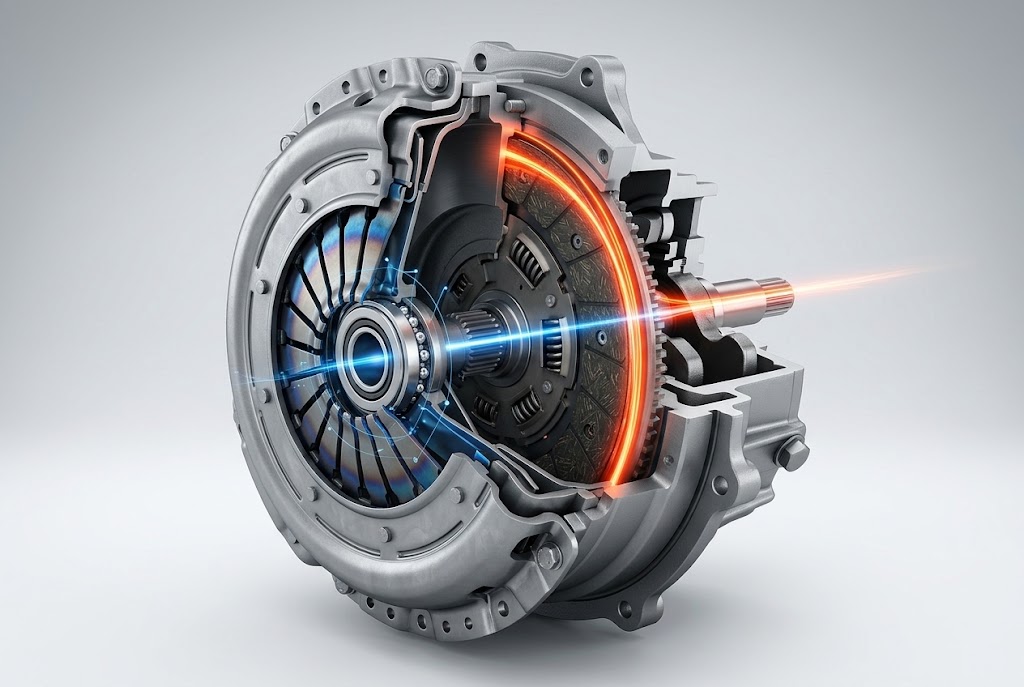
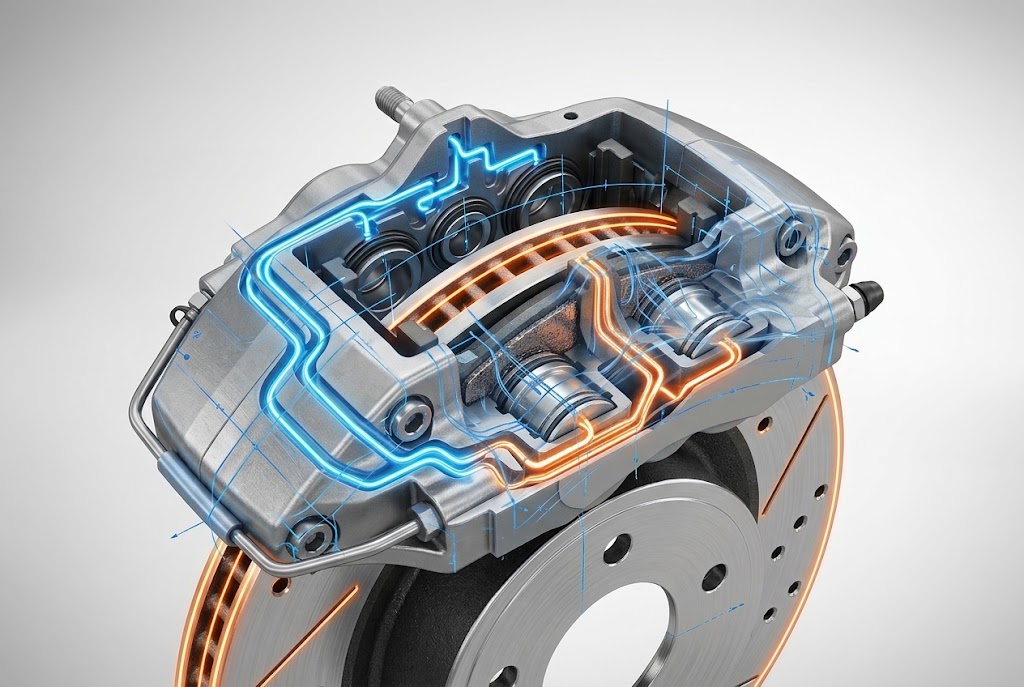
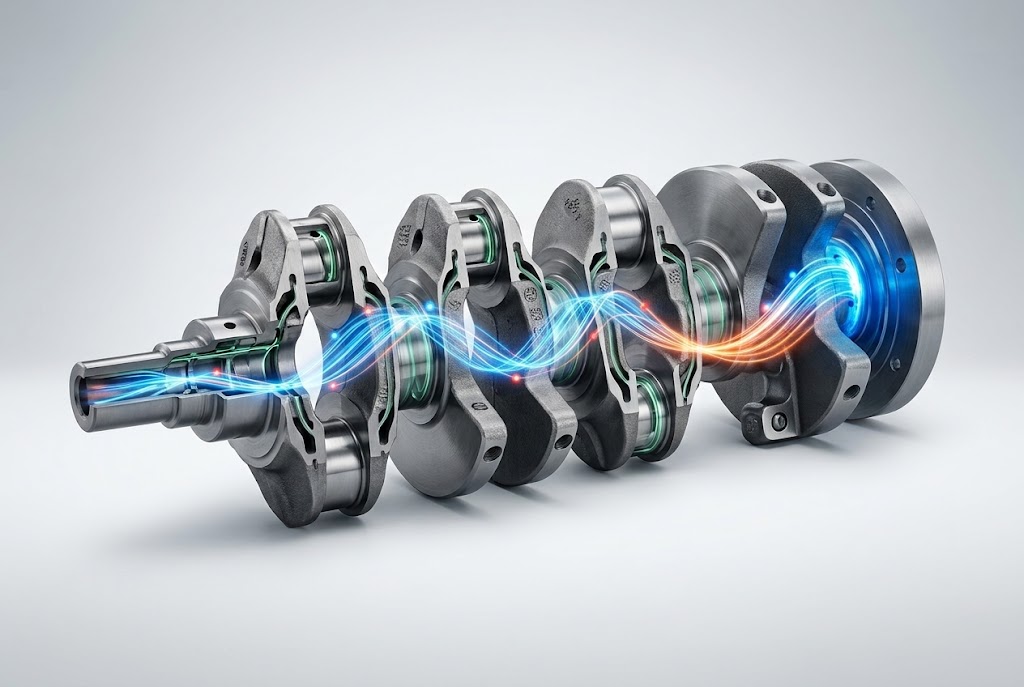
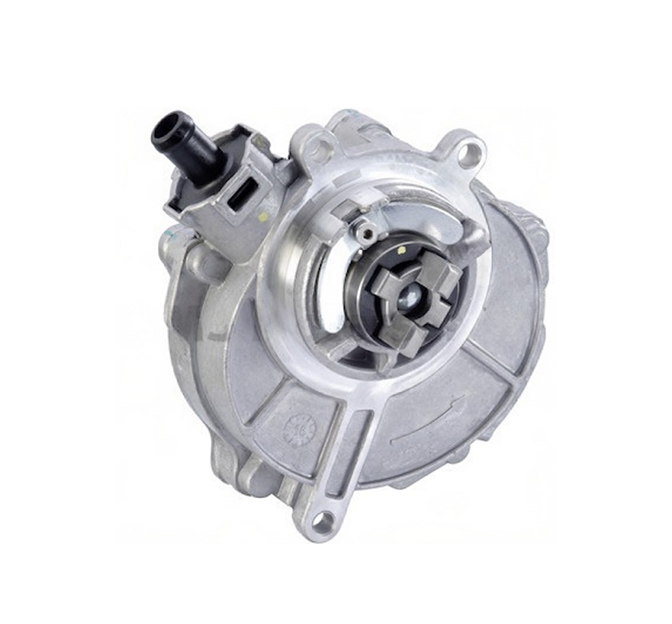
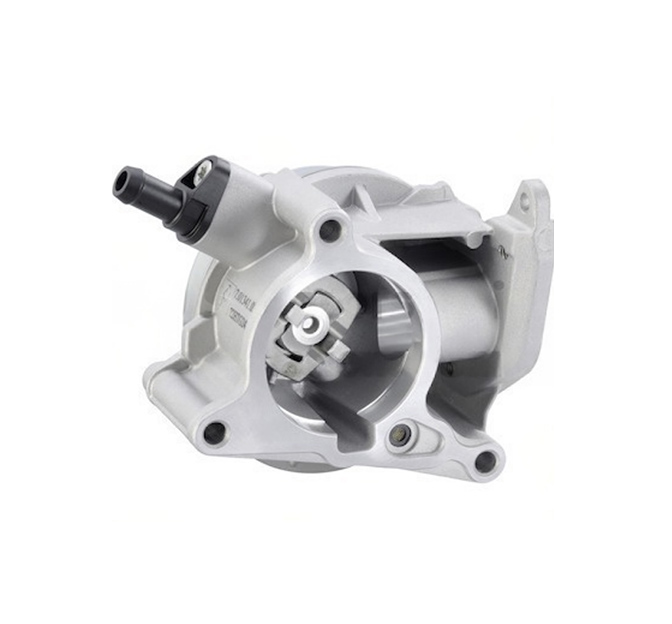
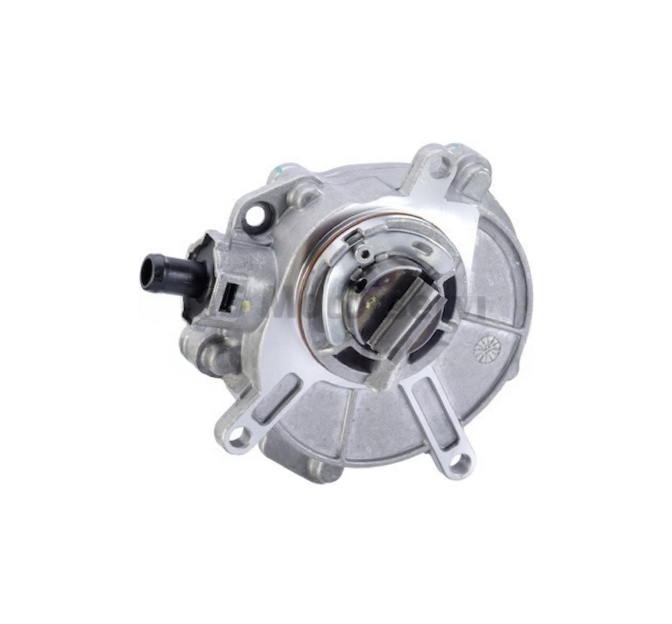
Manufactured by LUK (a brand of the Schaeffler Group), this engine brake vacuum pump delivers an immediate, stable negative pressure source essential for modern automotive power braking and pneumatic engine control. With today’s high-efficiency gasoline direct injection (GDI) and turbocharged diesel powertrains generating minimal intake manifold vacuum, a dedicated mechanical vacuum pump is crucial for reliable brake booster assistance. Utilizing advanced rotary vane or tandem displacement mechanics driven directly by the camshaft or crankshaft, LUK vacuum pumps ensure ultra-fast pressure pull-down even while idling. Built with a high-density die-cast aluminum housing, heat-treated rotor components, and low-friction synthetic vanes, this assembly exhibits outstanding resistance to high thermal cycling, engine vibration, and continuous oil contact. It provides a high-reliability replacement solution for European vehicle specialists, auto repair workshops, and global spare parts importers.
Technical Parameters
| Category | Specifications & Technical Details |
| Maximum Negative Pressure Level & Rapid Response | Relying on high-precision vane or tandem chamber design, it rapidly evacuates air at engine idle speed, generating vacuum of no less than -0.85 bar to -0.92 bar (equivalent to absolute pressure of -85 kPa to -92 kPa). Even during traffic congestion with frequent brake pedal application or emergency braking, the brake booster maintains sufficient vacuum reserve, ensuring a light pedal feel and sharp braking response. |
| Low Driving Torque & Volumetric Efficiency | The pump body interior undergoes micron-level precision machining, with strict control of the clearance between the vane and pump chamber inner wall. While achieving 120–160 L/min pumping airflow, the friction torque exerted by the camshaft to rotate the pump body is reduced to below 1.5 N·m, reducing unnecessary engine power consumption and helping improve vehicle fuel economy. |
| Engine Oil Lubrication & Integrated Check Valve | The pump body connects directly to the engine main oil gallery, utilizing circulating engine oil for forced lubrication, airtight sealing, and heat dissipation of internal components. The pump port is equipped with a high-sensitivity non-return check valve and oil-air separation channel, effectively preventing oil from being sucked backward into the brake booster rubber diaphragm after engine shutdown, completely eliminating the risk of brake diaphragm corrosion damage from oil. |
| Die-Cast Aluminum Alloy Housing | The pump housing is manufactured from high-quality ADC12 or A380 die-cast aluminum alloy, offering excellent structural strength and thermal conductivity. This housing withstands extreme temperature differentials from -40°C to +150°C in the engine bay and maintains structural stability under long-term engine mechanical vibration, preventing flange mounting surface deformation or housing micro-cracks and oil seepage. |
| Camshaft / Fuel Tandem Drive Coupling Interface | The drive shaft end features a quench-hardened cross-key or gear interface, with tolerances fully conforming to OE-level tooth backlash specifications. On diesel engine platforms, LuK often employs a vacuum pump and diesel fuel tandem pump two-in-one series design, using a single drive shaft to simultaneously drive both critical functional units, greatly saving engine bay space at the rear of the cylinder head. |
Applicable Car Brands & Models
Common warning signs of a degraded vacuum pump include:
Stiff/Hard Brake Pedal: The brake pedal feels noticeably firmer and harder to depress, requiring significantly more leg pressure to stop the vehicle.
Engine Oil Leaks: Oil seeping around the pump-to-cylinder head mounting flange or connected vacuum lines.
Rattling or Ticking Noise: A metallic chatter originating from the rear of the cylinder head that increases in pace with engine acceleration.
Reduced Engine Power: The engine enters limp mode or experiences loss of boost due to poor vacuum feed to pneumatically operated turbo actuators.
Yes, directly. If the internal non-return check valve fails or the internal shaft seals wear out, engine oil can be pulled through the vacuum supply hose into the brake booster chamber. Engine oil deteriorates the rubber membrane inside the booster, causing complete loss of power assist and necessitating a booster replacement.
Absolutely. Replacing the mounting gasket or elastomeric O-ring with a new OEM-spec seal is required to prevent oil leaks at the cylinder head interface. Furthermore, always check the vacuum hose for internal oil contamination; if oil is present, inspect and clean the line before installing the new assembly.
Each LUK vacuum pump is individually protected in a original Schaeffler LUK branded carton with tailored internal cushioning and sealed port covers. Minimum Order Quantities (MOQ) for international bulk buyers typically start at 5 to 10 pieces per SKU, with flexible shipping arrangements for consolidated distributor orders.