























Description
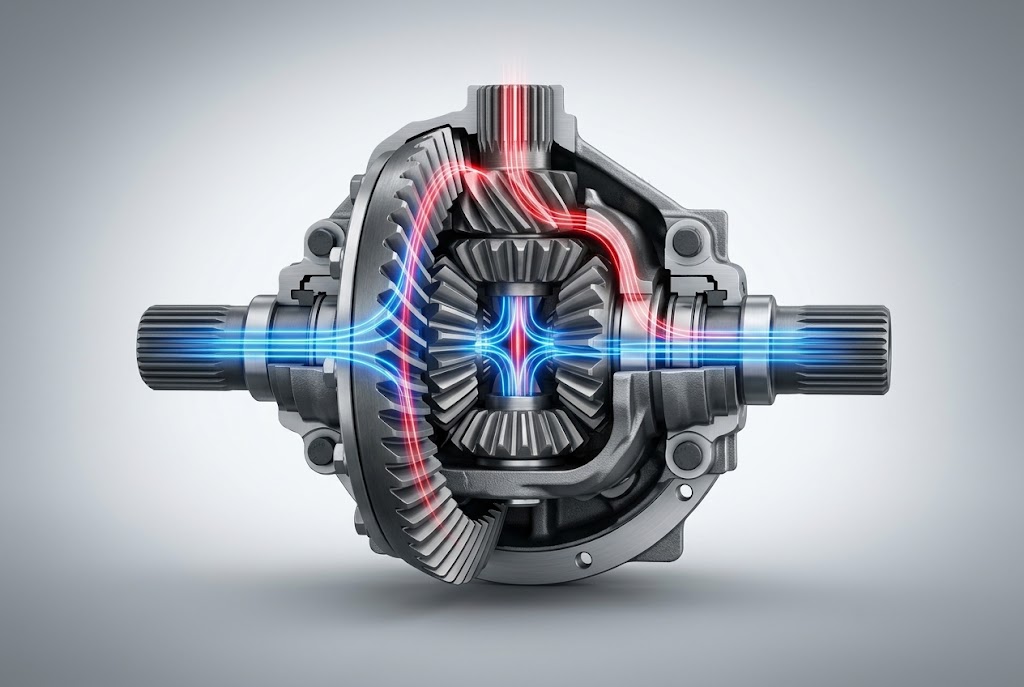
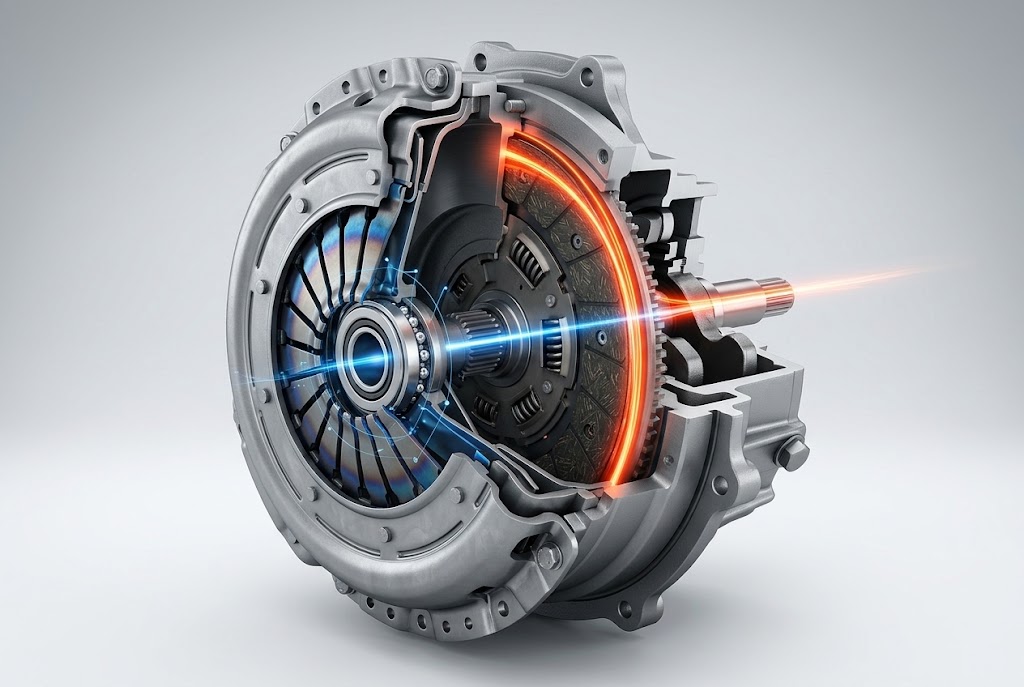
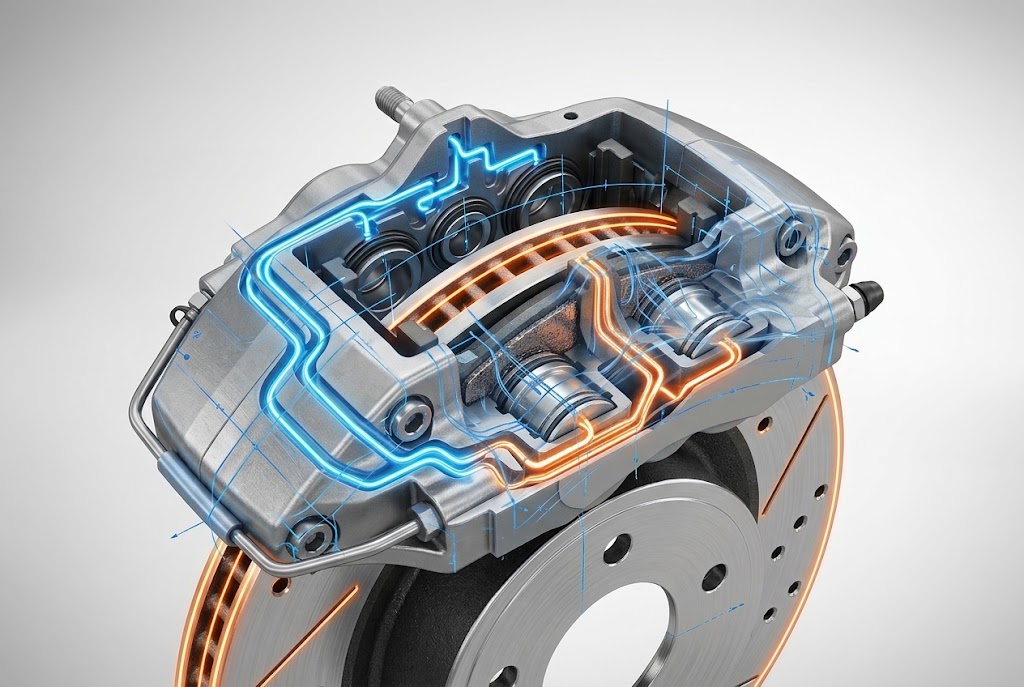
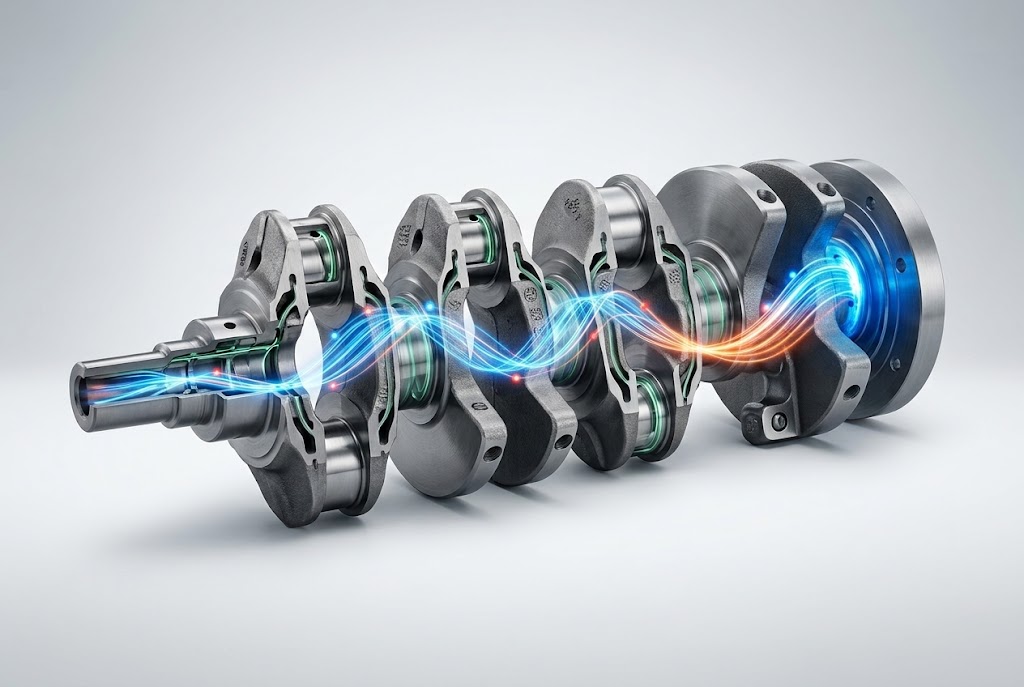
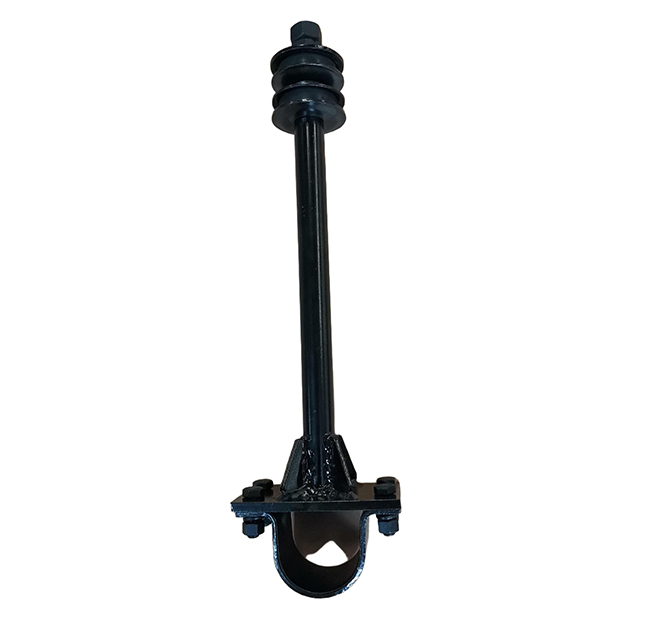
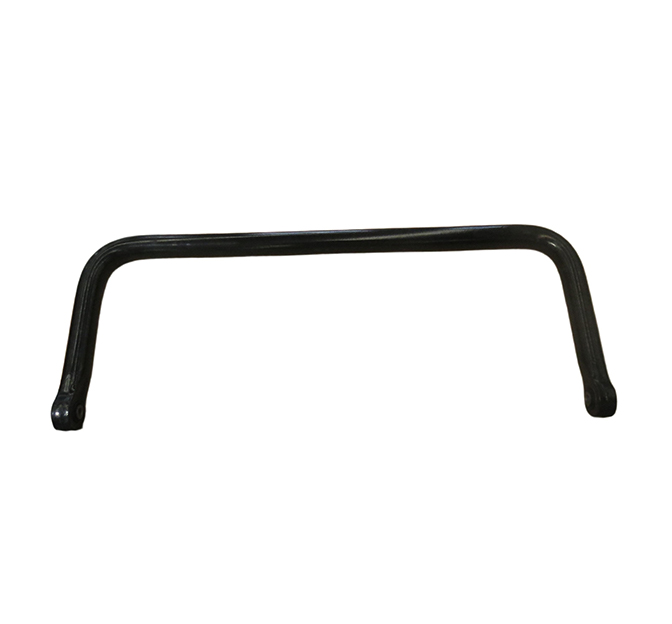
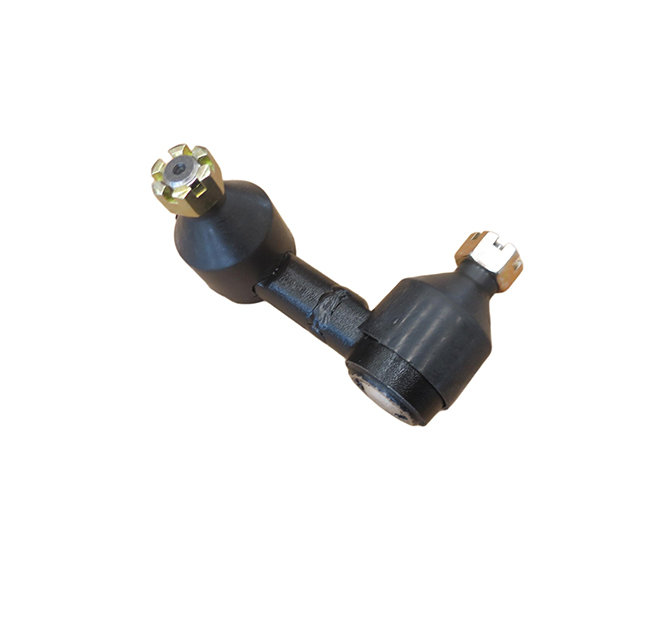
Upgrade your commercial truck’s steering precision with the Heavy Duty Steering Linkage Arm. Built for heavy-duty commercial fleets, this robust arm connects the steering gear box or intermediate linkage to the tie rod network, transmitting high-torque steering inputs reliably under extreme loads. Constant heavy steering loads, rough road shocks, and unpaved job sites eventually cause linkage arm bending, spline wear, and dangerous steering slop. This heavy-duty replacement unit solves those issues directly. It utilizes drop-forged alloy steel, precision-machined taper holes, and high-fatigue shot-peened surfaces to deliver razor-sharp steering response, eliminate joint deflection, and withstand severe commercial transport abuse.
Technical Parameters
| Category | Specifications & Technical Details |
| Drop-Forged Micro-Alloy Steel & Quenched-Tempered Core | Manufactured from high-strength micro-alloy structural steel through integral drop forging and strict quench and temper treatment. It possesses unmatched bending yield strength and torsional rigidity, never deforming under high-load steering compression. |
| Micron-Tolerance Tapered Bores & Spline Engagement | The ball stud tapered bore and steering gear output shaft spline grooves undergo CNC high-precision reaming and broaching, ensuring 100% tight fit with mating tie rods and pitman arms, completely eliminating fretting wear and play. |
| High-Fatigue Shot-Peening Surface Strengthening | Key stress concentration areas undergo high-energy shot peening treatment, forming a uniform residual compressive stress field on the surface layer, multiplying fatigue fracture resistance life against high-frequency road impacts. |
| Extreme-Temperature Heavy-Duty Anti-Corrosion Coating | The surface is sprayed with industrial-grade high-pressure anti-corrosion primer and electrophoretic topcoat, withstanding de-icing salt, muddy water, and extreme temperature differentials from -40°C to +120°C, eliminating structural rust corrosion. |
| FEA-Optimized Topology & Weight-Reduction Design | Modern computer finite element analysis (FEA) is used for stress flow line topology optimization, eliminating redundant weight while ensuring ultimate load-bearing capacity of core stress cross-sections. |
Applicable Car Brands & Models
Common warning symptoms include:
Excessive Steering Wheel Play: A noticeable “dead zone” or loose movement when turning the steering wheel before the front wheels respond.
Vehicle Wandering or Pulling: The commercial truck drifts across highway lanes, requiring constant minor steering corrections.
Visible Bending or Cracks: Physical deformation, stress cracks, or deep rust flaking observed on the arm body during routine maintenance inspections.
Clunking Noises During Turns: A sharp metallic clunk felt through the steering column when cutting the wheel sharply or hitting road bumps.
Steering linkage arms and Pitman arms transmit massive mechanical torque. Failing to torque the mounting bolts or tapered castle nuts to factory specifications can lead to joint slippage, spline stripping, or catastrophic bolt shearing while driving at high speeds.
Yes, absolutely. Steering components operate as an interconnected network. If one part suffers from heavy wear or fatigue, surrounding ball joints and rod ends are typically worn as well. Inspecting and replacing worn companion components ensures a complete, safe steering overhaul.
Each steering arm is treated with anti-corrosion rust inhibitor, fitted with heavy-duty protective plastic caps over tapered bores and splines, and packed securely inside a reinforced industrial corrugated box to prevent impact damage during global freight transit.