
























Description
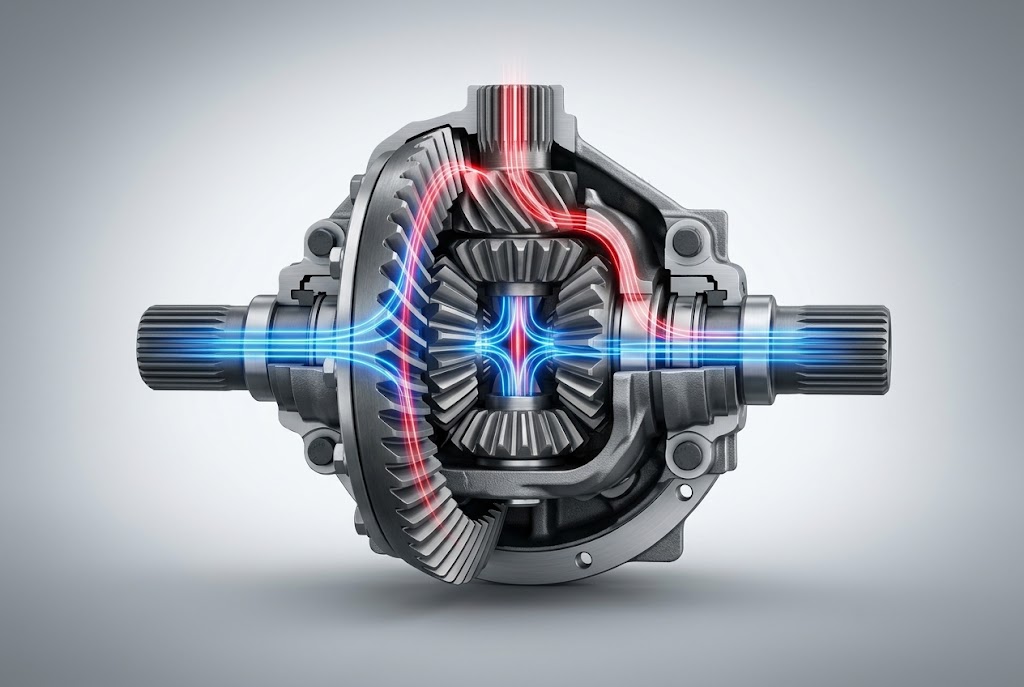
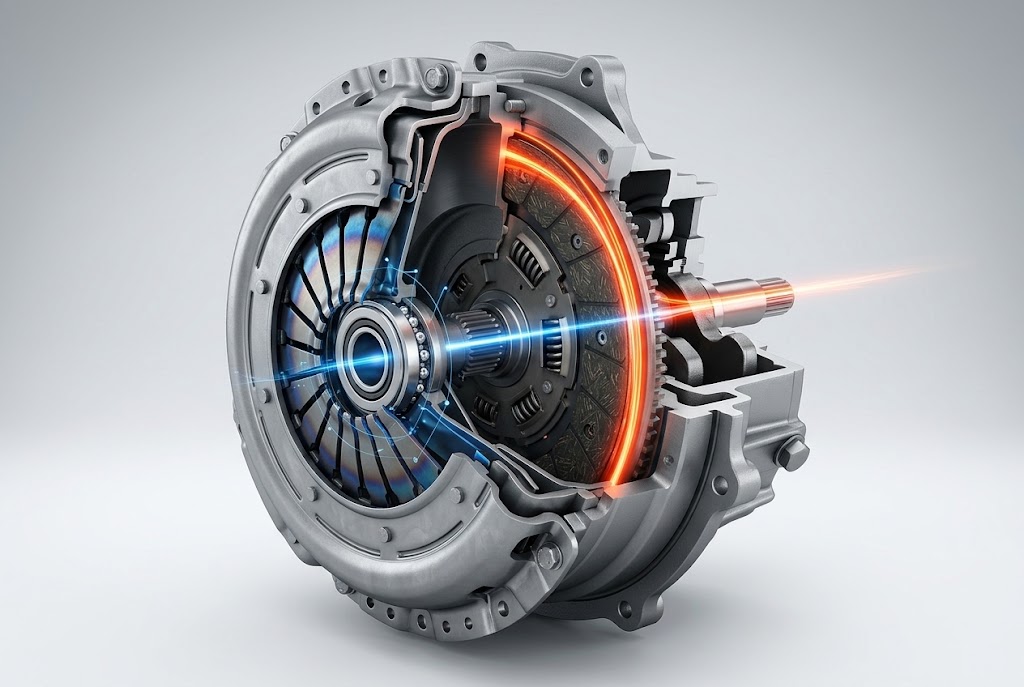
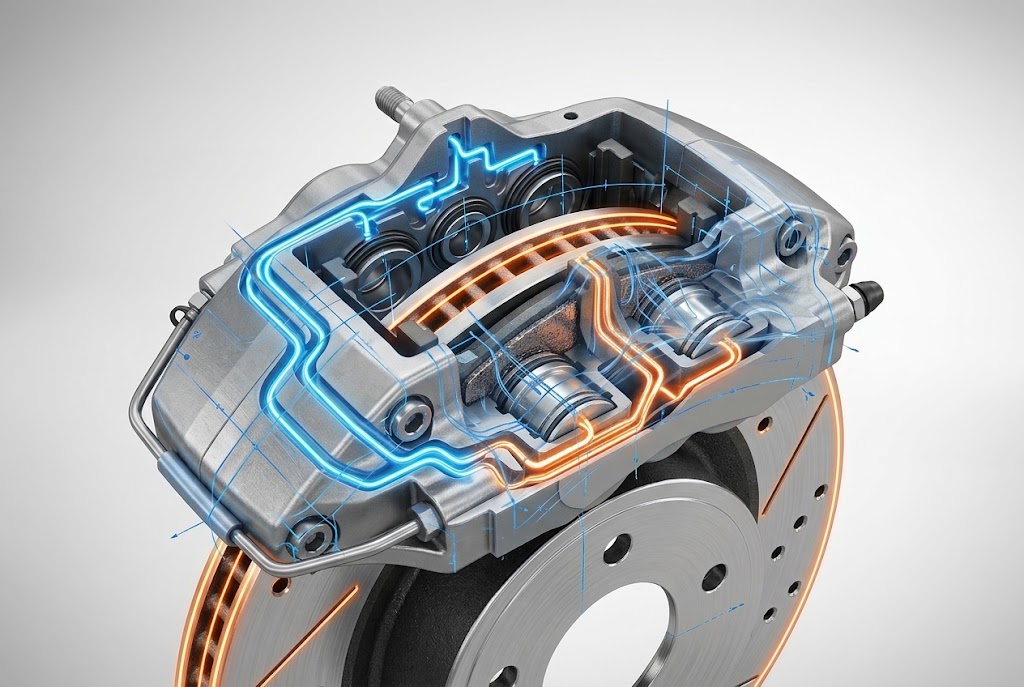
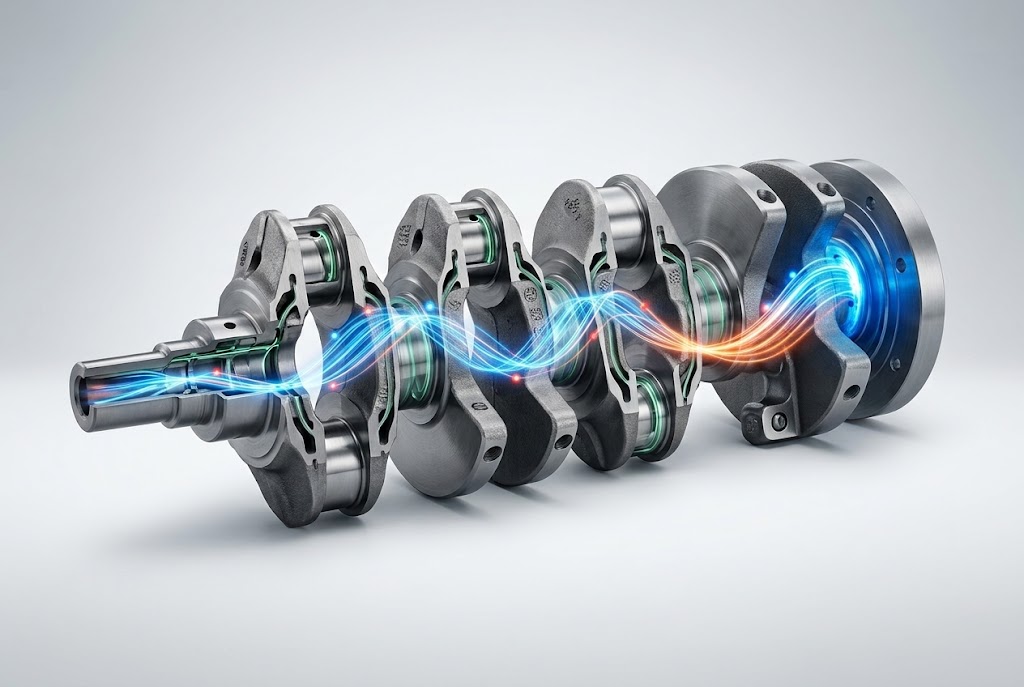
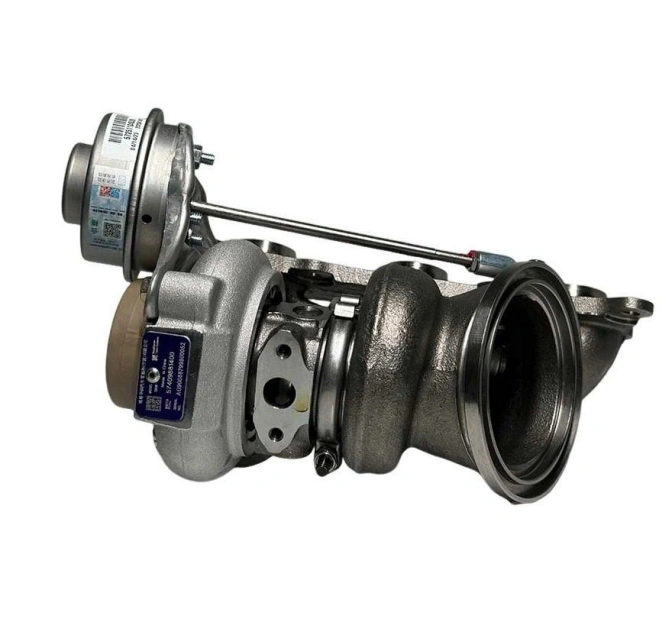
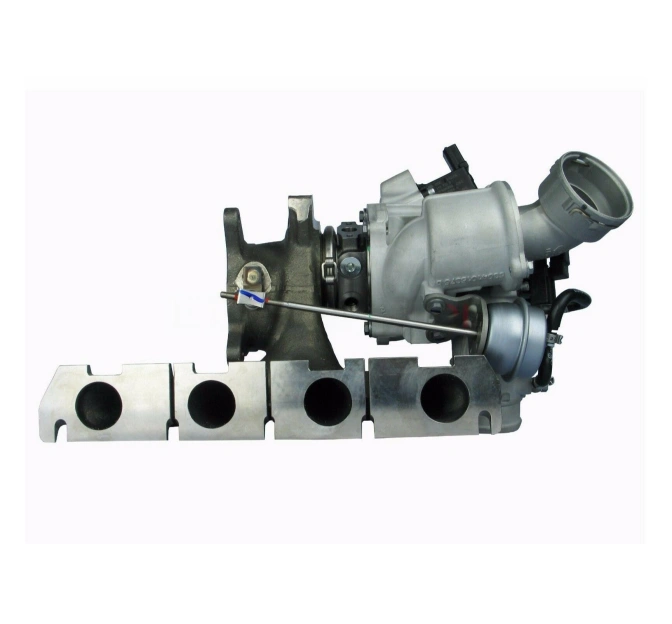
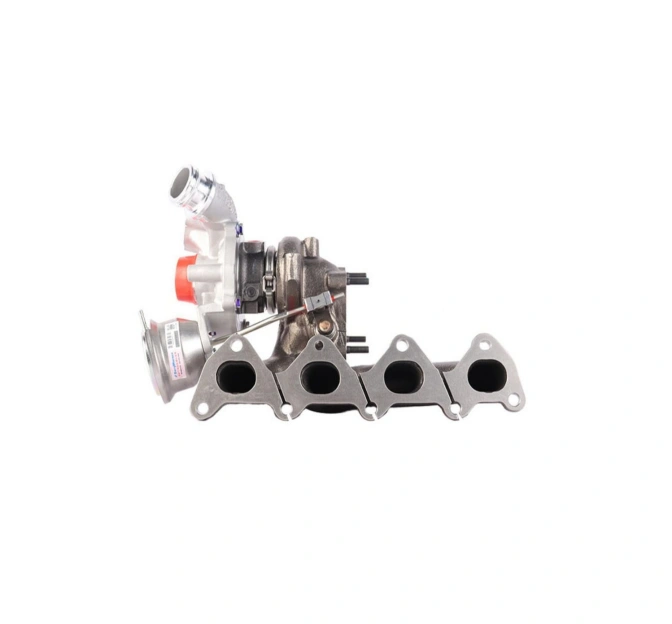
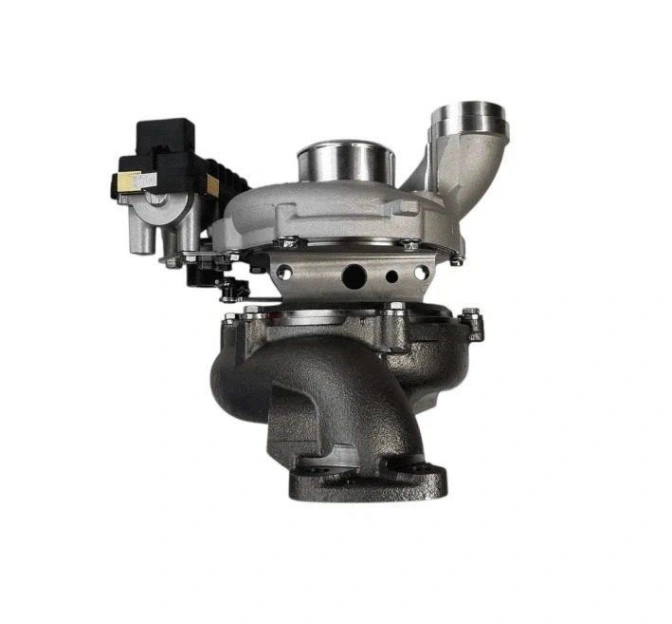
Engineered for precision air-handling and superior thermal efficiency, the BorgWarner Turbocharger Assembly with Integrated Electronic Actuator represents the pinnacle of modern forced-induction technology. Built to withstand extreme exhaust temperatures and high rotational stresses, this total assembly integrates a high-efficiency billet or precision-cast compressor wheel, an aerodynamically optimized turbine housing, and a rapid-response smart electronic wastegate actuator. Unlike traditional pneumatic vacuum actuators, the electronic actuator allows the Engine Control Unit (ECU) to dynamically modulate wastegate positioning with millisecond precision, ensuring rapid boost pressure buildup, eliminating turbo lag, and significantly boosting low-end engine torque. Constructed with premium heat-resistant alloys and high-precision journal or ball-bearing systems, this BorgWarner assembly optimizes fuel atomization, reduces overall engine pumping losses, and helps vehicles meet stringent Global Euro 6d / Tier 3 emissions regulations. It is an indispensable, high-value replacement unit for commercial fleet managers, automotive parts wholesalers, and specialized engine overhaul facilities worldwide.
Technical Parameters
| Category | Specifications & Technical Details |
| Electronic Actuator Control Precision & Response Speed | Specification: PWM (Pulse Width Modulation) or CAN-bus signal control, gate opening positioning accuracy ≤ ±0.5%, full-stroke open/close response time < 100 ms Technical Analysis: Unlike traditional mechanical vacuum canisters, the electronic actuator is completely unaffected by altitude barometric pressure or insufficient idle vacuum. It can precisely fine-tune the wastegate valve opening within milliseconds according to ECU commands, achieving zero-lag boost build-up and precise overboost protection. |
| Compressor Wheel Design & Max Rotational Speed | Specification: 5-axis CNC forged aluminum alloy extended tip billet wheel or high-strength precision-cast aluminum alloy wheel. Maximum design speed up to 180,000 rpm to 240,000 rpm Technical Analysis: Forged aluminum extended tip technology significantly broadens the compressor map surge line and choke line. Even under high pressure ratio conditions (≥ 3.0), it delivers high airflow output with ultra-low intake charge temperature rise. |
| Turbine Housing Material & Thermal Limit | Specification: D5S nickel-based heat-resistant ductile iron or high-nickel austenitic cast steel. Continuous operating thermal limit up to 950°C to 1,050°C Technical Analysis: Prevents thermal fatigue cracking, flow channel deformation, or inner wall spalling of the turbine housing during prolonged full-load output or frequent extreme-speed deceleration. Ensures exhaust flow channel airtightness and turbine efficiency. |
| Bearing System & Dynamic Balancing Standard | Specification: Journal bearing system paired with 360° full-ring copper-based thrust bearing. High-speed dynamic balancing grade reaches VSR < 0.5 g·mm (measured at 150,000+ rpm frequency range) Technical Analysis: Ultra-high-precision VSR (Vibration Sorting Rig) high-speed balancing eliminates micron-level eccentricity of the shaft assembly during high-speed rotation, significantly reducing oil shear noise and preventing early abnormal bearing wear and scoring. |
| Sealing System & Oil Leakage Prevention | Specification: Both turbine end and compressor end are equipped with dual M-Type piston ring metal seals, withstanding crankcase positive pressure and intake negative pressure differentials up to 3.5 bar Technical Analysis: Completely eliminates oil leakage from the center housing into the compressor intake tract (causing intercooler oil accumulation) or into the exhaust pipe (causing catalytic converter / DPF poisoning and blockage), ensuring vehicle exhaust cleanliness. |
Applicable Car Brands & Models
Common symptoms of a malfunctioning electronic actuator include sudden loss of engine power (Limp Home Mode), sluggish acceleration or extreme turbo lag, fluctuating boost pressures, excessive black exhaust smoke, and OBD-II trouble codes such as P0234 (Overboost Condition), P0299 (Underboost Condition), or P0045 (Boost Control Solenoid Circuit Open).
Yes. Genuine BorgWarner complete turbocharger assemblies come with factory pre-calibrated and bench-tested electronic actuators. However, after physical installation onto the vehicle, a basic ECU adaptation or “learn procedure” using a professional diagnostic scan tool is often recommended to sync the end-stop positions with the engine computer.
During installation, technicians must:
1.Replace engine oil, oil filter, and air filter.
2.Clean or replace the turbo oil feed and drain lines to ensure unrestricted lubrication.
3.Pre-prime the turbocharger center housing with fresh, clean engine oil through the oil inlet before spinning the shaft.
4.Crank the engine (without firing) to build oil pressure before the initial start.
BorgWarner turbochargers are shipped in individual heavy-duty reinforced corrugated cartons with custom-molded foam inserts to prevent shock damage. Wholesale export MOQs start from 2 to 10 units depending on specific part numbers, with fast dispatch available for in-stock distribution centers.